Amazon
FedEx Jumps into eCommerce-as-a-Service
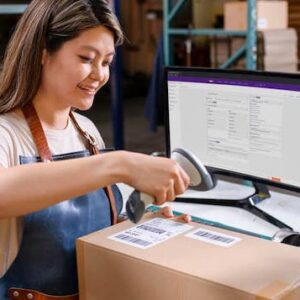
There’s a new eCommerce player in town: FedEX. A longtime component in the broader eCommerce value chain, it’s now expanding its position from shipping & logistics to business-facing software.

There’s a new eCommerce player in town: FedEX. A longtime component in the broader eCommerce value chain, it’s now expanding its position from shipping & logistics to business-facing software.
The figures are in: Cyber week has reached record consumer spending levels – a positive sign amidst a softened economy. However, there’s still time for declines in the remainder of the holiday shopping season.

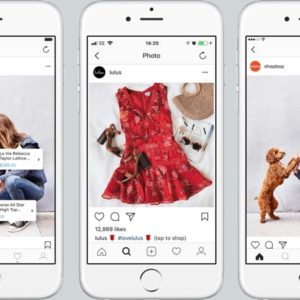
Amazon’s continued social push brings shopping to popular social feeds. It has accelerated in the past month, including deals with both Meta and Snap. We examine both.

Google has taken immersive shopping to the next step. Its new AR Beauty ads simulate what lipstick, eyeshadow, and foundation shades look like on users’ faces before they buy.

We continue to track clues that TikTok has its own homegrown eCommerce program brewing. Known as “Trendy Beat” it’s a shopping section where TikTok will act natively as an eCommerce store, similar to Amazon.

We’ve written extensively about buy now, pay later [BNPL]. This branch of the payments ecosystem lets consumers (and businesses) take immediate possession of goods and
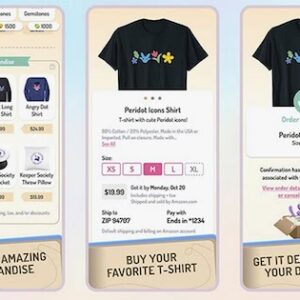
Amazon continues to find new places to sell you things. The latest is its “Amazon Anywhere” service that brings eCommerce to third-party apps and games, including customized and branded stores.

Shopify continues to expand its functionality for one-stop-shop appeal, and to broaden its addressable market of SMBs. The latest move in this effort comes Shopify Bill Pay, helping SMBs manage vendor payments.

Paypal has announced that it’s adding Apple Pay to its payment options for eCommerce-enabled SMBs. We dive into the details and strategic implications.

Pinterest has always been advantaged by context and user intent. By cultivating shopping and product discovery, it set itself up to monetize in natural ways. And it has slowly leaned into that over the past few years. We examine its latest moves.

This episode of “This Week in Local” explores two topics on the minds of Localogy analysts Mike Boland and Charles Laughlin. One is a new

Shoppability and privacy are two of the many media and tech macro trends that stood out in 2022. These phenomena are not only driving ample activity in media and commerce, but they’re colliding and feeding into each other.

Amazon’s advertising business has exceeded the revenue stream we hear about more often: Amazon Prime. This puts Amazon’s ad-world prominence and promise into perspective. We examine strategic implications.
Data has come to light that validates Instagram’s strengths as a shopping channel. Specifically, Meta reports that more than 1 billion Instagram users actively engage with businesses. We examine strategic implications.

As you may recall, we started this week with a look at the early data that was available from Adobe Analytics on the surprising success of Cyber Week so far. Now, to end the week, we have more data from brand-focused digital commerce platform Forter.

Google has taken the latest step in this campaign to introduce Google Lens to the world at scale: its desktop homepage. You can now find the Google lens logo on Google’s homepage, right next to the voice search icon

After much handwringing over a softening economy’s likely impact on holiday shopping, the season has kicked off with favorable numbers. Black Friday and Cyber Monday saw strong activity levels according to initial figures from Adobe Analytics.

These holidays, the magic of eCommerce can help small business owners to connect with their customers on a deeper level. Purchases made over the holidays
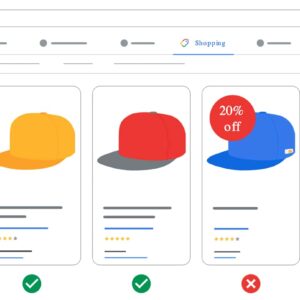
In advance of the holiday season, Google has launched its latest round of updates in Google Shopping. These include a series of features that more explicitly surface deals and promotions, and otherwise cater to price-sensitive shoppers.
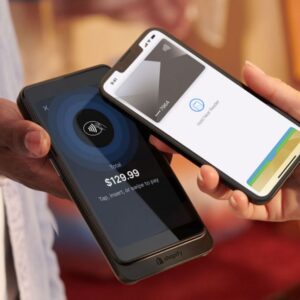
As the world returns to IRL activity, so is Shopify. The eCommerce enabler’s latest move turns merchants’ smartphones into POS terminals… no additional hardware required. We examine the drivers and dynamics.