
AI Search
AI Is Becoming the Operating System for Local Discovery
Google, Apple, OpenAI, and a growing emphasis on AI visibility all point to the same conclusion: artificial intelligence is becoming the local discovery interface through

Google, Apple, OpenAI, and a growing emphasis on AI visibility all point to the same conclusion: artificial intelligence is becoming the local discovery interface through
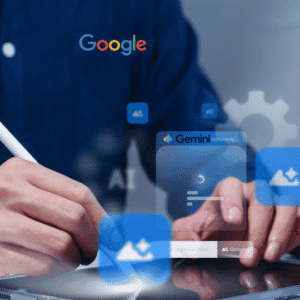
Google recently announced plans to add Search agents to Google Search, starting with what it calls “information agents.” These are AI-powered agents capable of running
Meta has come out with its own version of Google’s AI Mode, which it calls…. AI Mode. Carrying on a long tradition of copying features from other tech players – and not bothering to even change the name (e.g., Instagram Stories) – AI Mode will let Facebook users ask natural language questions.

Ads in ChatGPT are starting to look better. After a splashy entrance, immediate backlash, and handwringing from advertisers over limited options, OpenAI’s move into advertising has turned around. Signs are starting to show some favorable performance as OpenAI figures it out… as we predicted.
There’s been a lot of advice about optimizing websites for AI search circulating on the web lately, some of it good, some of it not

Advertising is a logical monetization path for AI search. Like traditional search, user intent is spelled out… but even more so, given nuanced natural-language queries. This is the idea behind OpenAI’s new ad program. And though it’s experiencing early growing pains, it’s quickly muscling past them.

Google has announced that it’s reformatting some of its AI Overview results to accentuate experts and the wisdom of the crowds. This notably puts Reddit front and center in terms of an authoritative source of knowledge for granular natural language queries, which are the active ingredient in AI search.
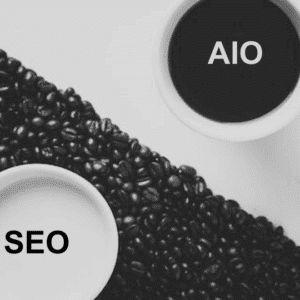
With the rise of AI engines comes the need to learn the still-opaque and quickly-developing art of AI optimization (AIO), also known as generative engine optimization (GEO). Just when you mastered SEO, this comes along.

The biggest bombshell to recently hit the advertising world – a world already facing increased competition and fragmentation – is the entrance OpenAI. Its ad infusions in ChatGPT are slowly rolling out, and the headline has been the program’s growing pains. But are those pains being alleviated?
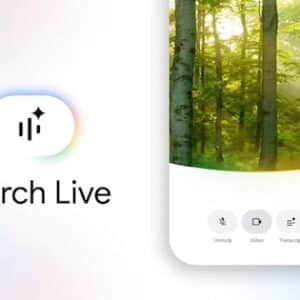
Google’s latest fusion of AI – Search Live – is now available publicly and globally. For those unfamiliar, this is Google’s multimodal-AI play that lets users combine visual, conversational text, and voice to prompt Gemini.

The conversation around search and AI visibility has largely been focused on one question: is a business showing up in AI? But as AI-powered search
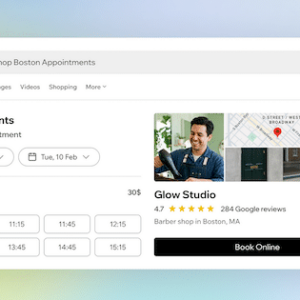
Wix is on a roll. After launching its Harmony vibe coding tool, and a recent integration with Quickbooks, the company’s latest move is to bring instant bookings to Google Search, Maps, and AI Mode. Searchers using those products can transact directly with businesses that run on Wix.
New research from Yext reveals the inner workings of the AI engines increasingly used by consumers in place of traditional search. Though this usage continues to grow, the rules of engagement for companies seeking visibility remain unclear. But according to Yext, AI SEO may be harder than it looks.
AI is no longer just ranking local businesses. It’s actively shaping how businesses are described, summarized, and recommended to potential customers. For local businesses, this
According to SOCi, LLM search queries now average 23 words, which is almost 6x that of traditional search engines. What are tactical takeaways for marketers?
Search and social visibility powerhouse SOCi has released its 2026 Local Visibility Index. The wide-reaching report reveals tactics that multi-location brands should execute to boost presence in local search and AI engines.
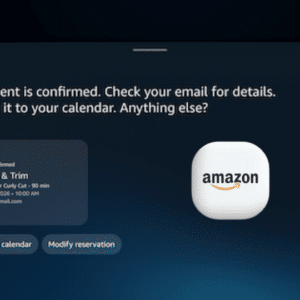
Amazon recently showed its hand with respect to local commerce. It will launch apps within Alexa+ for local commerce staples, such as Angi, Square, Yelp, OpenTable, and Thumbtack.

A new data dump from Digiday has begun to quantify AI’s zero-click effect. The short version is that there’s good news and bad news. The net result is likely negative for anyone relying on referral traffic… but it’s also an opportunity for AI SEO early movers.

Yext this week hosted a who’s who of search experts, including Local SEO Guide’s Andrew Shotland, Sterling Sky’s Joy Hawkins, and Search Lab’s Greg Gifford. These are some of the biggest hitters in local SEO and we have the summarized takeaways.

As AI-driven search changes how people find local businesses, multi-location marketers face a new challenge: helping stakeholders understand what AI visibility is and why optimizing