You may have noticed an acceleration in the number of headlines about retail media networks. For those unfamiliar, these are self-contained ad networks launched by retailers. The thought is that, like any media company, they have “audiences” (e.g., in-store display impressions), that can be monetized.
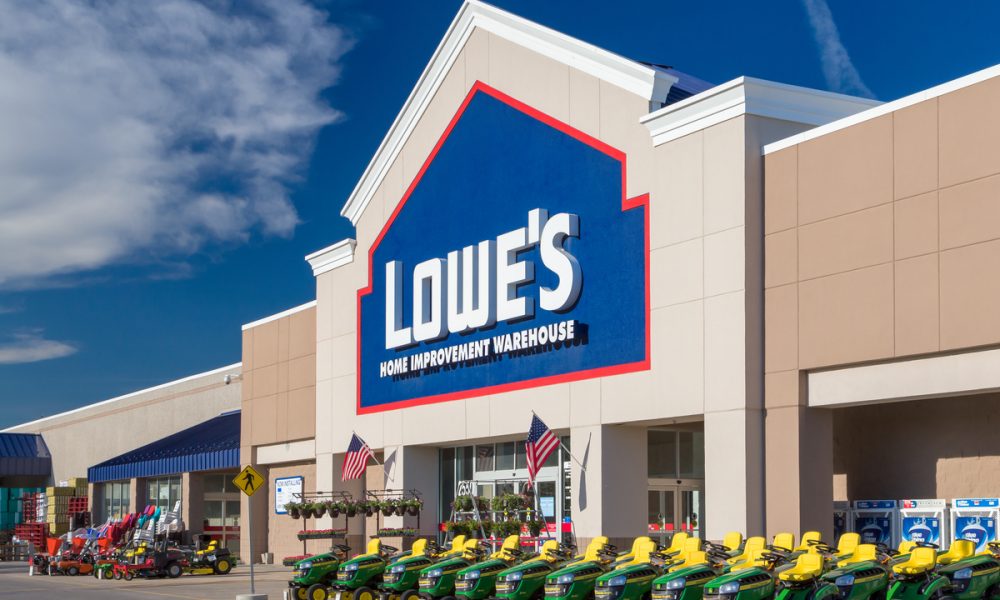
One example is Lowes’ One Roof Media Network. Beyond in-store eyeballs, these retailers increasingly have digital media channels that represent considerable impressions. Beyond sheer impressions, we’re talking about high-intent audiences who are already in shopping mode, in-store and online.
These netwroks also hold inherent advantages in contextual ad targeting. To stick with the Lowes example, there’s a natural fit for home improvement products to advertise in such channels. This could be an additional revenue channel for Lowes, as well as a bargaining chip for its brand partnerships.
Content & Context
But the magic word above is “contextual.” As we examined recently in light of the surge of digital out-of-home advertising, contextual ad targeting is the new black. That’s simply because privacy restrictions have diminished behavioral targeting, bringing new value to targeting ads based on content and context.
Speaking of privacy, another key attribute of retail media networks is well-aligned with the realities of the privacy-first era: first-party data. Given that most privacy restrictions focus on selling and using third-party data (e.g., consumer data from an ad network), first-party data’s value has skyrocketed.
One downside of first-party data is that it sometimes doesn’t have the volume (sample sizes) to make informed ad targeting decisions, relative to ad tech’s unchecked heyday of the past 15 years. However, entities that have first-party data with enough scale (Amazon is a prime example), are sitting pretty.
And that brings us back to retail media networks. If done right, big retailers can collect and synthesize data on a massive scale through their high-reach digital and real-world channels. So the name of the game is good data science and cultivating insights from all that customer activity.
The Playbook
Of course, this will continue to be a playbook that develops for retailers, given the slow-moving enforcement of public-sector and private-sector privacy reform. It’s only just getting started, and we’ll continue tracking it. Meanwhile, we’ll leave you with a sampling of headlines to characterize the trend.
- Why the media network craze is just getting started
- Retail Media Rookies Want Theirs; L’Oréal Pays To Take Down Paywalls In Brazil
- 5 Retail Media Networks to Watch in 2022
- Sam’s Club Transforms Ad Business, Rolls Out Self-Service Search Platform
- Marriott Rolls Out Media Network That Lets Brands Reach Travelers on Its Apps and TV Screens
- Ulta Beauty Launches Retail Media Network