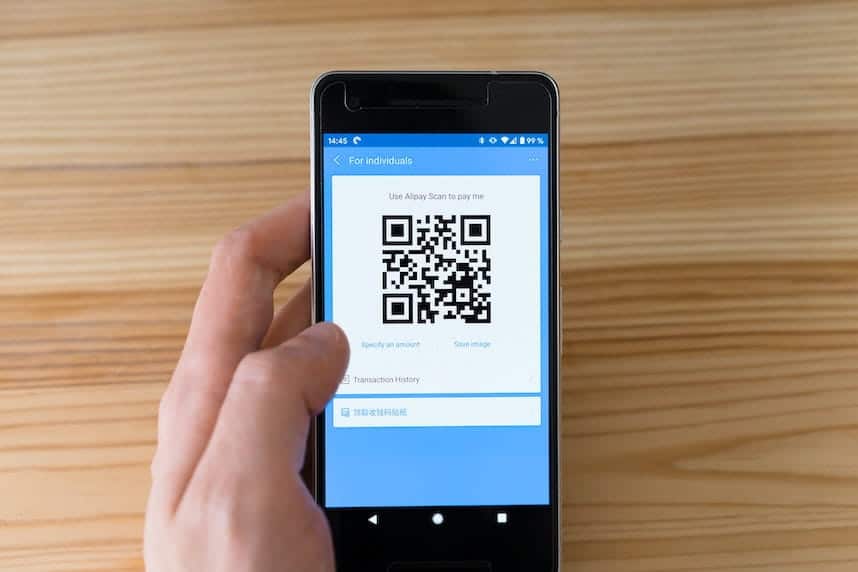
QR codes seem to be having a bit of a resurgence. After the format rolled out widely about a decade ago, it’s had disappointing traction. That’s not necessarily because it failed, but because it was massively overhyped initially. It’s done okay for itself, including variations like Snap’s Snapcodes.
Then, at this year’s Superbowl, Coinbase breathed new life into QR codes by demonstrating that they work on a mass scale. Things elevated from there, including increased spending on QR codes in CTV advertising… and additional validation through campaign performance metrics.
Seeing demand signals from all the above, Instagram is the latest to jump on the second wave of QR code interest. It has begun to quietly roll out QR codes as an option to share content on Instagram. That goes for posts, Reels, user profiles as well as locations in its new mapping interface.
Creators & Consumers
So how does this all work? The option now exists to generate a QR code for things that you discover on Instagram. Users can find this by going to any Reel or post and tapping the three-dot menu to see the option to generate a QR code. On the web, they can also add “/qr” to a post’s URL to do the same.
Once you activate the QR code, it’s then available to distribute in whatever way users want, including sharing digitally with friends or printing in some way for signage or other distribution. This means any Instagram user can do this, but it may be most useful to creators and businesses to boost their content.
The question then becomes why they’d want to do this, as opposed to sharing content in traditional ways, such as liking, tagging, or sharing a URL. The answer is that it’s another option that may be optimal in certain contexts, such as sharing a post outside of Instagram when a URL may be onerous.
For this reason, again, QR codes may be more useful to creators than consumers. For example, businesses on Instagram can market their content in channels outside of Instagram using a QR code instead of a URL. That could include things such as print signage or decals in an SMB’s store window.
Speaking of local commerce outcomes, the new QR codes work for map locations as noted above. As we examined recently, Instagram has launched a new map UX as a way to discover places and things locally in the context of what friends have done/liked. Now map locations can get their own QR codes.
Known Quantity
It should be noted that Instagram already offered QR codes for user profiles, but this is the first time they’re being applied to content like posts, Reels, and map locations. That begs the question of what content could be next… QR codes could make lots of sense for shoppable items on Instagram.
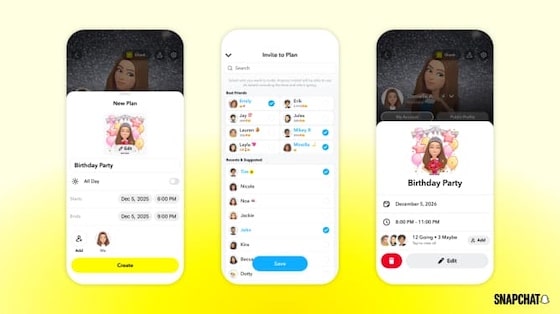
Meanwhile, applying QR codes to social media follows in the footsteps of Snap. As noted, Snap’s Snapcodes – its own spin on QR codes – have been around for a while. Instagram now wants to replicate some of that traction with its own QR code play, partly accelerated by the format’s recent resurgence.
And it makes sense… though QR codes never revolutionized mobile commerce as initially hoped, the truth is that it’s a common format that’s recognized. This is a key attribute of any format or standard, in that consumers know it when they see it, feel comfortable with it, and know what to do with it.
We’ll see if that works for Instagram, particularly the local business use cases outlined above. Until then, the feature appears to be activated for all users, though Instagram hasn’t fully announced or formalized it yet. We’ll watch closely for signs of that, and for traction among users and SMBs.