
As part of the ritual of examining local commerce and SMB Saas strategies, Localogy goes right to the source: SMBs themselves. How do they feel about marketing and operational software? What features do they want? And how has their hunger changed in a pandemic? This is all a moving target.
But as part of that exercise, we sometimes broaden the subject matter beyond traditional SMBs. In the latest Localogy study, done in collaboration with Mono Solutions, we looked specifically at freelancers. Why is this important? The Covid-driven “great resignation” has boosted the freelancer economy.
With that backdrop, who are freelancers and what makes them tick? The report, The Freelance Channel – A Growing Reseller Resource dives in. After examining the channels through which freelancers market themseleves last week, we switch gears to examine what types paid campaigns they use.
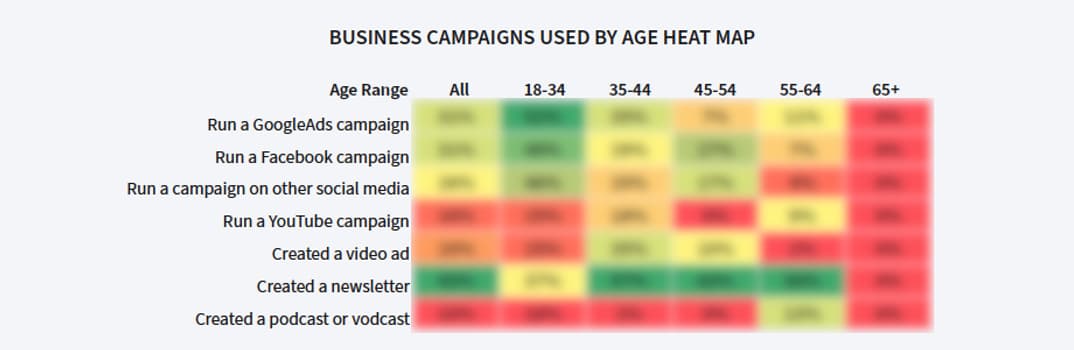
Breaking down the results, the top marketing campaign type used by freelancers is newsletters (43 percent). That’s followed by Google ad campaigns (31 percent), Facebook ad campaign (31 percent), other social media campaigns (26 percent) and video ads (20 percent).
Localogy members can access full charts and SMB survey reports. Non-members can purchase reports.
What Does it All Mean?
Going a bit deeper, a few things jump out at us:
– The fact that newsletters lead the list is logical as many freelancers are creators by nature. This makes the production of newsletters a natural activity for organic exposure.
– This bodes well for newsletter platforms such as Substack, as the medium has experienced elevated levels of demand in the past few years.
– This could be a worthwhile demand signal for tech providers that have adjacent products such as websites or SEO services. Adding newsletter capability should be considered.
– Newsletters’ popularity among freelancers is also a function of their relative ease. For example, compare this result with other creative endeavors that require more production rigor, such as podcast or vidcast (10 percent)
– High sentiments towards Google ads campaigns are likelwise logical, given the high-intent nature of companies looking to hire freelancers, and their propensity to go to Google first.
– Beyond newsletters and search, social media collectively dominated this survey result, with a total of 57 percent of responses (including Facebook and “other”).
– This is likely due to social advertising’s inherent benefits, such as Facebook’s ability to hyper-target ads based on attributes like companies, positions (e.g., hiring manager), and geographies.
– Video is also popular among freelancers as it collectively accounted for 36 percent of responses including video ads (20 percent) and YouTube campaigns specifically (16 percent).
Time to Shine
Stepping back, SMB online marketing – website-based or otherwise – continues to grow rapidly. SMB SaaS startups and online services providers are correspondingly thriving as it continues to grow as a leading subsector of the broader SaaS universe. There’s a long-tail opportunity at play.
Meanwhile, new SMB SaaS users could represent permanent adopters – a concept that’s accelerated in the Covid era as SMBs are forced to boost their digital transformation. This sends them into the arms of SaaS providers to accomplish a range of marketing and operational functions.
We’ll return in the next installment to go deeper into Localogy original survey research. That will include SMB goals and success factors. Let us know what additional insights jump out at you from the above data, and stay tuned for more breakdowns in our Benchmark Bytes series.