
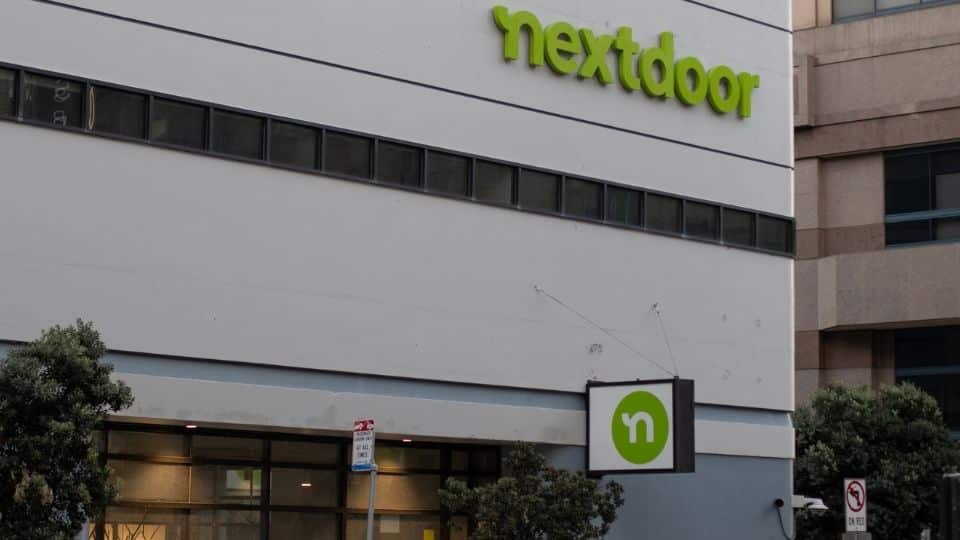
Traditional geographic advertising often treats entire ZIP codes as uniform markets, overlooking differences in consumer interests and purchasing behavior. Nextdoor believes those differences represent an opportunity to make advertising more relevant.
The company has introduced Neighborhood Intelligence, an AI-powered advertising engine built around its network of 350,000 neighborhoods. By analyzing community conversations, recommendations, and household signals, Nextdoor aims to help advertisers better understand consumer interests and deliver campaigns that reflect the characteristics of individual communities.
The initiative gives Nextdoor a way to turn its proprietary neighborhood data into an advertising asset while offering businesses another approach to reaching nearby customers.
Moving Beyond ZIP-Code Targeting
Nextdoor estimates that ZIP codes within its coverage contain an average of 12 distinct neighborhoods. Residents in one area might be discussing home improvement projects while those nearby focus on restaurants, family activities, or local services.
Neighborhood Intelligence combines three categories of information: neighbor activity, including recommendations and engagement; household signals, such as moving activity and household composition; and neighborhood context, including business activity, weather, and community conversations. AI interprets those signals to identify patterns that can inform advertising decisions.
The approach could help businesses tailor campaigns to consumer interests rather than relying primarily on geographic boundaries. It also reinforces the importance of reaching the right people rather than simply reaching more people, particularly for businesses dependent on nearby customers.
A home services company, for example, could benefit from understanding where homeowners are discussing renovations, while a restaurant might identify communities showing stronger interest in dining options. These insights could inform media allocation, creative messaging, and customer acquisition strategies.
The strategy also reflects the need for more precise market-level information. As we previously examined, broad visibility metrics can conceal differences across local markets. Nextdoor is extending that principle to advertising, using community signals to identify differences in consumer interests and potential demand.
Local AI Visibility vs. Brand Visibility: What Matters Most?
Early Results Point to Greater Relevance
Nextdoor is supporting the launch with results from testing conducted between the second quarter of 2025 and the second quarter of 2026. According to the company, campaigns using Neighborhood Intelligence produced 1.28 times the brand awareness, 1.16 times the ad recall, and 1.28 times the brand favorability of previous ZIP-code-based strategies. The platform also reports approximately 12 times greater geographic granularity.
Those findings suggest that additional context can improve advertising relevance, although the results are company-reported. Whether the approach consistently generates more customer inquiries, store visits, or incremental sales remains an important question.
Nextdoor can also identify neighborhoods sharing characteristics with communities where an advertiser already performs well. That creates a potential prospecting capability based on community similarities rather than broad demographic assumptions.
As Business Insider reported, Nextdoor CEO Nirav Tolia sees an opportunity to differentiate the platform from Meta and Google through geographic context that conventional social listening and digital advertising tools may struggle to capture. The company says advertisers, including Pepsi, have expressed interest.
Turning Community Activity Into Advertising Intelligence
Nextdoor’s announcement reflects a broader shift in how digital platforms use proprietary data to improve advertising. Uber has developed advertising capabilities around travel behavior, while DoorDash has expanded retail media offerings based on shopping activity. Nextdoor’s differentiating asset is the relationship between people, households, and the communities where they live.
Location intelligence has traditionally emphasized where consumers go, while social listening focuses on what they say. Nextdoor is attempting to connect those dimensions through conversations within geographic communities, potentially providing a better understanding of what influences purchasing decisions.
The initiative also reflects efforts to connect digital behavior with real-world activity. Recent Localogy coverage explored connecting online visibility with physical foot traffic through SOCi and Placer.ai. Nextdoor approaches that opportunity differently, using neighborhood conversations to identify potential demand before it translates into purchasing activity.
The launch comes as Nextdoor’s advertising business shows improvement. The company reported second-quarter 2026 revenue of approximately $75 million, up 15% year over year. Neighborhood Intelligence provides another way to differentiate its advertising inventory and attract advertisers seeking greater relevance.
Initially available on request and focused on Nextdoor’s own platform, the capabilities could eventually extend across other digital environments. Such an expansion would increase the commercial potential of its neighborhood data.
A More Contextual Approach to Local Advertising
For businesses, the opportunity is to better understand what influences nearby consumers and translate those insights into more effective marketing. That could improve campaign relevance, customer acquisition, and the allocation of advertising budgets.
Questions remain about measurement, privacy, accessibility, and whether more precise targeting consistently produces incremental business results. Nextdoor will need to demonstrate value beyond what advertisers can already achieve through established platforms.
The launch illustrates how community conversations can become a source of actionable marketing insight. Nextdoor is betting that understanding what matters to residents can help businesses connect more effectively with the customers they serve.