

AI doesn’t just decide who shows up in local recommendations, it shapes how those businesses are described. And in an era where that narrative directly influences customer choice, understanding the sources behind AI sentiment has become one of the most important levers in local search performance.
When a potential customer asks ChatGPT, Gemini, or another AI platform to recommend something like the best family dentist in their city, the AI draws from a wide web of sources to construct a list of options and recommendations.
In addition to providing local businesses with AI visibility, or mentions in AI-generated results, these results also carry sentiment: a tone, a level of enthusiasm, a degree of persuasiveness with which the AI mentions a given business.
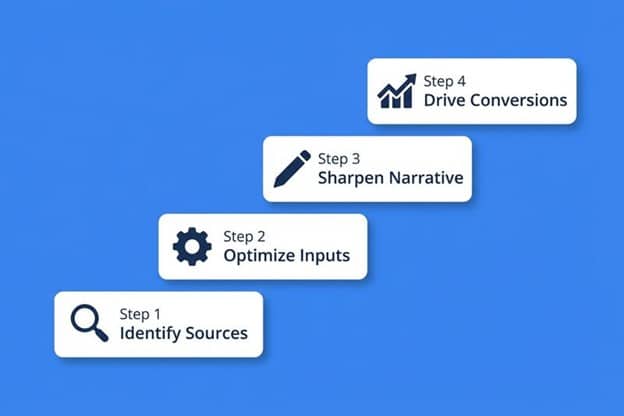
For local businesses and local SEO professionals, understanding what feeds that sentiment is actionable intelligence. Identify the sources driving AI’s perception of a business, optimize those inputs, and you can sharpen the narrative AI tells about that business and ultimately drive more conversions from AI-assisted searches.
The challenge is that those sources can vary considerably by query, geographic market, business category, and the specific AI platform. This means that there’s no single formula for understanding what sources drive AI sentiment for local businesses, but there are patterns, and recognizing them is the first step toward influencing AI sentiment.
The Owned Business Site
A business’s own website remains one of the most commonly cited sources across AI platforms and query types. This makes intuitive sense — it’s typically the most authoritative, most comprehensive source of information about what a business does, who it serves, and why it stands out.
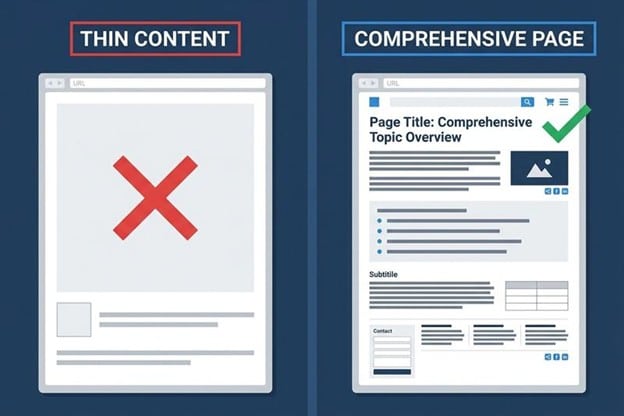
For a query like “which dentists in [city] offer family dental care services?,” AI might pull directly from a practice’s family dentistry service page, leaning on its language about patient experience, accepted insurance, or approach to pediatric care. If that page is thin, generic, or poorly structured, the AI’s portrayal of the business will reflect that.
Review and Directory Platforms
Beyond owned sites, AI systems consistently reference a cluster of well-established review and directory platforms. Yelp is one of the most prominent — particularly claimed, actively managed business listings. Facebook business pages are also frequently surfaced, especially for businesses with strong community engagement or recent activity.
Google Business Profiles appear with notable frequency on Google’s own AI search solutions, including AI Overviews and Gemini. The Better Business Bureau still factors in for many industries, lending credibility signals that AI systems appear to value. Tripadvisor is particularly influential for restaurants and hospitality businesses. LinkedIn shows up regularly for professional service providers.
Industry-specific directories also play a meaningful role. A platform like DesignRush, for example, can be cited when AI discusses local digital marketing agencies. OpenTable factors into restaurant recommendations. The specificity of these sources reinforces why AI sentiment isn’t influenced by a one-size-fits-all “citation package” — a medspa and a law firm will find very different directories influencing how they’re described.
User-Generated and Social Sources
Some of the most interesting sources driving AI sentiment are ones businesses don’t directly control — and that’s precisely why they matter. Reddit threads surface with surprising regularity, particularly for queries about finding trustworthy service providers. A years-old thread where local users debate the best mechanic in their area can still shape how AI describes auto repair businesses in that market.
Instagram is another source that sometimes appears in AI outputs, particularly for restaurants and experience-based businesses. A post from a popular local account documenting “the best restaurants I tried in [city]” can become part of the AI’s evidence base. We’ve seen similar YouTube citations, with “top 10 pizza places in [city]” style videos being referenced.
Third-Party Publications, Blogs, and City-Specific Sources
Listicles, round-ups, and editorial recommendations from blogs, news outlets, and travel publications are well-represented in AI citations — especially for industries where taste and experience drive the recommendation. A restaurant getting featured in a regional food publication or a hotel in a travel blogger’s city guide can impact how it shows up in AI outputs long after publication.
City tourism websites, regional visitor guides, and neighborhood-specific directories also surface, particularly in markets with active tourism industries. Lesser-known general directories and review aggregators round out the picture. These may not carry the brand recognition of Google Business Profile, Facebook, Yelp or Tripadvisor, but they’re part of the broader citation ecosystem AI draws from.
The List Is Not the Point — The Pattern Is
The examples covered above are by no means an exhaustive list of the sources we see influencing AI visibility and brand sentiment day to day. The real insight here isn’t which specific platforms matter. Instead, it’s that AI sentiment is the product of a wide, varied, and sometimes unexpected set of inputs that can be influenced — as long as you know what they are.
A restaurant wanting to improve its AI sentiment might pursue “best of” list placements, invite a local food blogger for a review, or pitch a regional publication. A digital marketing agency might prioritize LinkedIn completeness and meaningful endorsements. A home services company might focus on claiming and optimizing directory listings and encourage detailed reviews on the platforms AI tends to cite in their market.
No matter what, the first step is knowing what you’re working with. Tools like Local Falcon’s AI visibility Scan Reports surface the actual sources AI draws from for a specific location, query, and platform, so businesses and their SEO teams can move from guesswork to targeted optimization.
The key takeaway: Local businesses that understand what’s shaping their AI sentiment and take deliberate steps to improve it, will be the ones converting those AI-driven impressions into real customers. Those that don’t risk AI mentioning competitors instead.