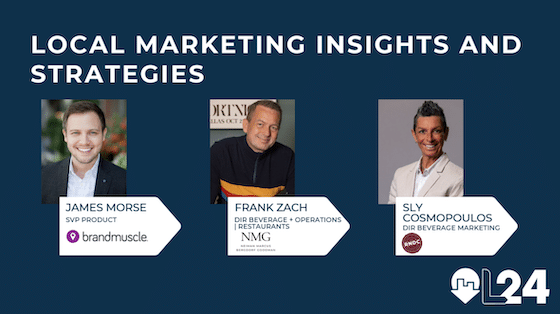
We ended day 2 of L24 with a brief history of America’s alcohol industry from Brandmuscle’s James Morse. This was followed by an engaging discussion exploring the strategic partnerships between distributors and high-end retail accounts and how they foster innovative marketing strategies.
Key Takeaways
Here are a few key messages that we gleaned from this session.
- In 2022, U.S. retail alcohol sales totaled $260 billion.
- James offered a brief and entertaining history of the evolution of alcohol distribution in the United States.
- Before prohibition, the U.S. alcohol industry ran according to the tied house system. This system required specific establishments to buy all their alcohol from brands (e.g., brewers and distillers) they were tied to. After prohibition ended in 1933, the tied house system gave way to the modern three-tiered liquor distribution system. This involves manufacturers, distributors, and retailers.
- Sly and Frank represented a distributor and retailer and talked about how these two entities collaborate to improve sales with initiatives ranging from events to inventing new cocktail recipes.
Booze and Branding
James Morse, Brandmuscle
Frank Zach, Nieman Marcus
Sly Cosmopolous, Republic National Distributing Co.