
Social media and creator platforms are less about innovation and more about replication these days. TikTok begat Reels. And then it begat Spotlight, Or something along those lines. Now, now they’ve all begotten Shorts. That’s YouTube’s answer to the short form, vertically oriented video space.
The big search and social platforms are in a perpetual state of scrambling to find an answer to each service that emerges and gets traction with creators and influencers. Clubhouse and Substack being just two examples of solutions that Facebook and Twitter, for example, have attempted to match with their own offerings.
Google-owned YouTube launched Shorts in beta in March. The platform has now expanded the beta to all creators in the U.S. and India. So any YouTubers who want to make us laugh with camera tricks or wow us with yet another dance routine can have at it. All as long as it’s within the format’s one-minute time limit. Which sounds like plenty of time to me. [OK, Boomer.]
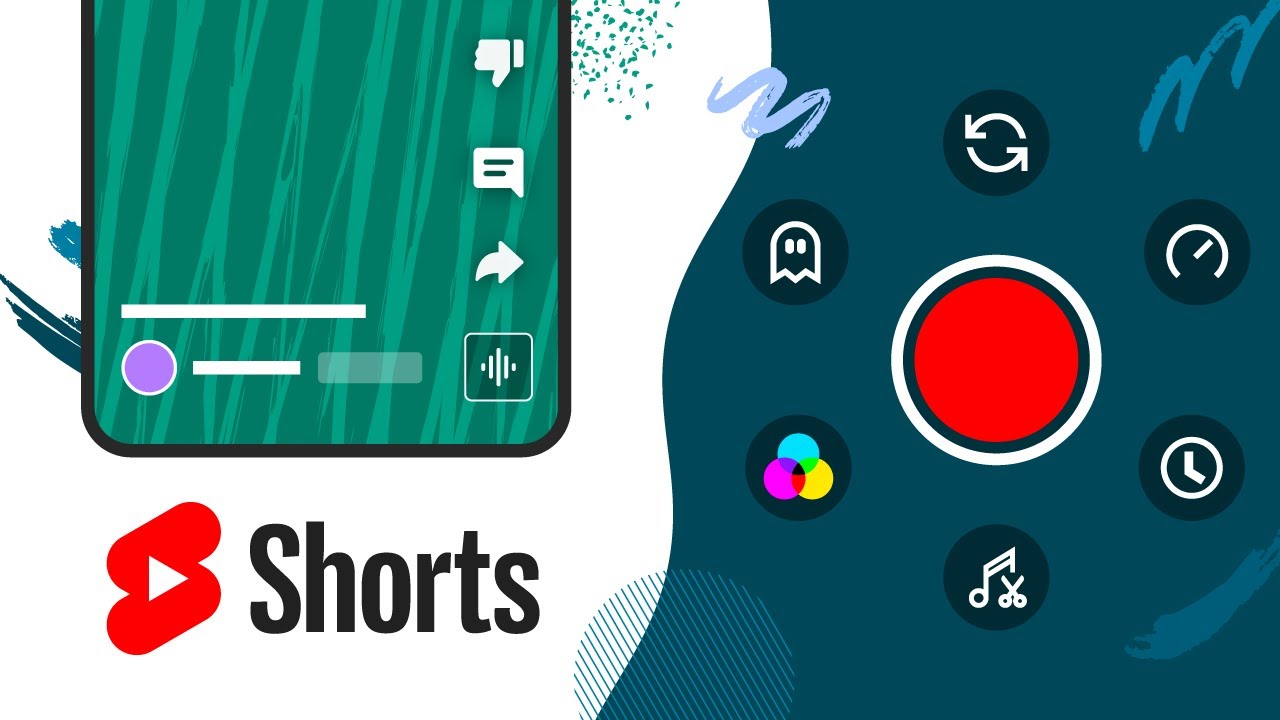
YouTube hasn’t just built a short format option for creators. It’s also developed tools that allow creators to capture, edit and post Shorts from their phones. Creators can also post Shorts via the standard YouTube workflow on desktop or mobile.
This video offers creators a quick rundown on how the platform works.
What’s a Creator Fund?
YouTube has taken another page out of its competitors’ playbook paying its top creators to prime the Shorts pump with content. YouTube recently announced a soon-to-be-created $100 million “Shorts Fund”.
YouTube announced the fund in a blog post penned by Amy Singer, YouTube’s Director, Global Partnership Enablement for YouTube Shorts. According to Singer, the fund is part of an effort to create a monetization model for Shorts creators. Both Snap and TikTok have used similar funds to encourage top creators to create on their platforms.
Singer says the fund will distribute payouts over 2021-22. Eligibility is not limited to creators in its existing Partners Program.
“Creators will be eligible to participate if they create original content for Shorts and adhere to our Community Guidelines,” Singer said, adding that monetization is a work in progress.
“The Shorts Fund is the first step in our journey to build a monetization model for Shorts on YouTube. This is a top priority for us. And will take us some time to get it right. We are actively working on this, and will take the feedback gathered from our community to help develop a long-term program specifically designed for YouTube Shorts.”
With so many platforms out there, the real battle will be to have enough content to keep audiences engaged. Given YouTube’s 2 billion global user base, $100 million is probably a modest investment in ensuring its content will keep its audience’s eyes glued to YouTube.