Facebook has hit another obstacle on its path to transform its WhatsApp from a popular but under-monetized encrypted messaging app into a mobile commerce juggernaut, even a global super app.
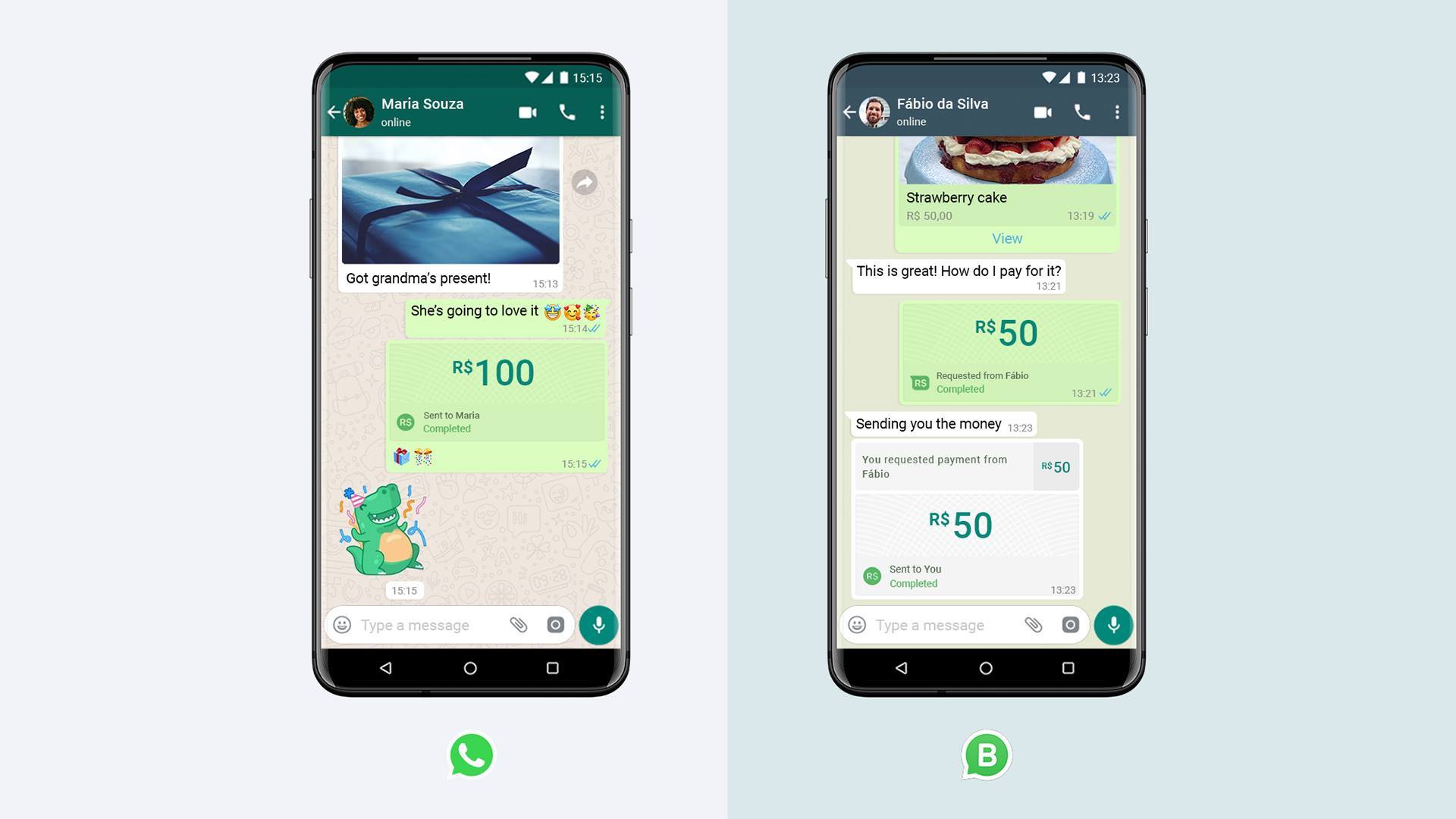
Last week we wrote about the launch of WhatsApp payments in Brazil. This followed market testing in India (where to date WhatsApp hasn’t been approved for a national rollout) and Mexico.
Yesterday, just one week after Facebook announced the launch, Brazil’s central bank suspended permission for WhatsApp Payments to operate in South America’s largest market (population 210 million). The bank cited antitrust concerns. Specifically, the bank said it wished to “preserve an adequate competitive environment that ensures the functioning of a payment system that’s interchangeable, fast, secure, transparent, open and cheap.” A review is pending.
What’s Really Going On?
First, it’s important to note this is a suspension, not a cancellation. The central bank could conceivably conduct its review and give Facebook the green light relatively soon.
However, it’s also possible the “review” is a fig leaf for a heavy-handed effort to control competition in Brazil’s mobile payments market.
It’s worth noting that Brazil’s central bank has announced its own payments platform called PIX.
In an apparent effort at appeasement, WhatsApp insisted it was committed to an “open” system and would integrate with PIX.
”In addition, we support the central bank’s PIX project on digital payments. Together with our partners [we] are committed to work with the central bank to integrate our systems when PIX becomes available,” the WhatsApp spokesperson said.
Headwinds for Facebook’s Payment Plans
Regardless of the outcome, this moves is a blow to Facebook’s efforts to leverage WhatsApp’s giant global user base into a leadership role in mobile payments. The app has an estimated two billion uses across 180 markets. As noted above, Facebook has been unable thus far to leverage its tests in India into a full market rollout.
Meanwhile, Google and Walmart are racing to achieve dominance in India’s mobile payments market. According to TechCrunch, Google Pay had 75 million transacting users in May, while Walmart’s PhonePe service had 60 million.
WhatsApp has struggled to win regulatory approval for a national rollout of payments in its largest market. Yet new competitors keep emerging to scoop up market share in India.
Many merchants, particularly in emerging markets, use WhatsApp as a default digital presence. Thus the addition of C2B payments via WhatsApp messages is a potential game-changer.
However, if Facebook encounters more regulatory roadblocks, its potential for dominance (again, based on its massive WhatsApp user base) could be stifled. This will create an opportunity for others to fill the void.
More Coverage of WhatsApp