
Localogy released a report today commissioned by member company Mono Solutions that examines the notion of Buy-it-Yourself as a channel for small-business software products today and into the future.
It’s a question that touches on nearly all of the key issues Localogy businesses grapple with each day — reducing the cost of sales and churn, improving customer experience, and reaching new customer segments.
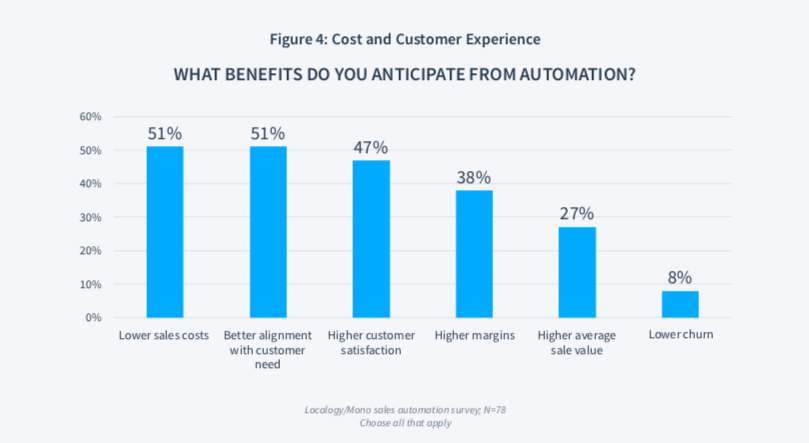
To produce the report, Localogy and Mono conducted an online survey among roughly 100 companies selling a range of media and technology solutions to SMBs to ask them if they use automation at any stage of their sales process. We also asked them to assess the role BIY will play in selling media and technology to SMBs now and into the future.
We supplemented this with a questionnaire among known industry practitioners and thought-leaders, supplemented with direct interviews. We wanted to dig deeper into the many nuances of BIY through these conversations with people in the industry whose views we respect and trust.
The result is a report that explores the central issues around BIY from multiple angles and reflects a range of views, including those of BIY boosters, BIY skeptics and BIY deniers.
Here is an excerpt from the report’s introduction:
In September 2019, Localogy published a blog post that described a new “Buy It Yourself” TV Ad Planner tool from Comcast Spotlight.
A Comcast VP described the tool this way, “From education to execution, the online portal guides clients through the full process of planning, buying and airing their TV campaigns. This experience enables businesses to use data-informed TV schedules to reach their target customers and achieve the results that only TV can deliver.”
The author of the blog post, Neal Polachek, has long advocated the notion of local media sellers moving to a BIY model.
“I had observed how the rapid development of data and tools had begun chipping away at many of the value-added services that local sales reps usually provide,” Neal wrote in the post. “These [services] included background analysis, asking questions about audience, assessing digital readiness, and so on.
“To me, the logical next step of this gradual automation of the sales process was to take the sales rep completely out of the equation and let local businesses make their own local advertising choices, guided by an intelligent platform.”
Neal spent the next few years getting mostly blank stares when he raised this idea in meetings and at industry events.
“Every once in a while, someone would nod their head and suggest I wasn’t completely off my rocker. At industry event after industry event, I would posit the notion of a BIY platform for SMBs to purchase local media. Over and over I would have to explain that I was talking about the buying process, not the fulfillment process.”
Today, the discussion over a BIY future doesn’t elicit as many blank stares. And there is less confusion over BIY and DIY (do-it-yourself). Although many argue, correctly, that the two are inevitably connected as key elements of the customer journey.
Comcast’s BIY rollout was a significant moment. It represented the first relevant example of an automated self-purchasing platform for local advertising aimed at small businesses.
Of course, small businesses have been self-purchasing digital products and services for some time now. The issue is, which products?
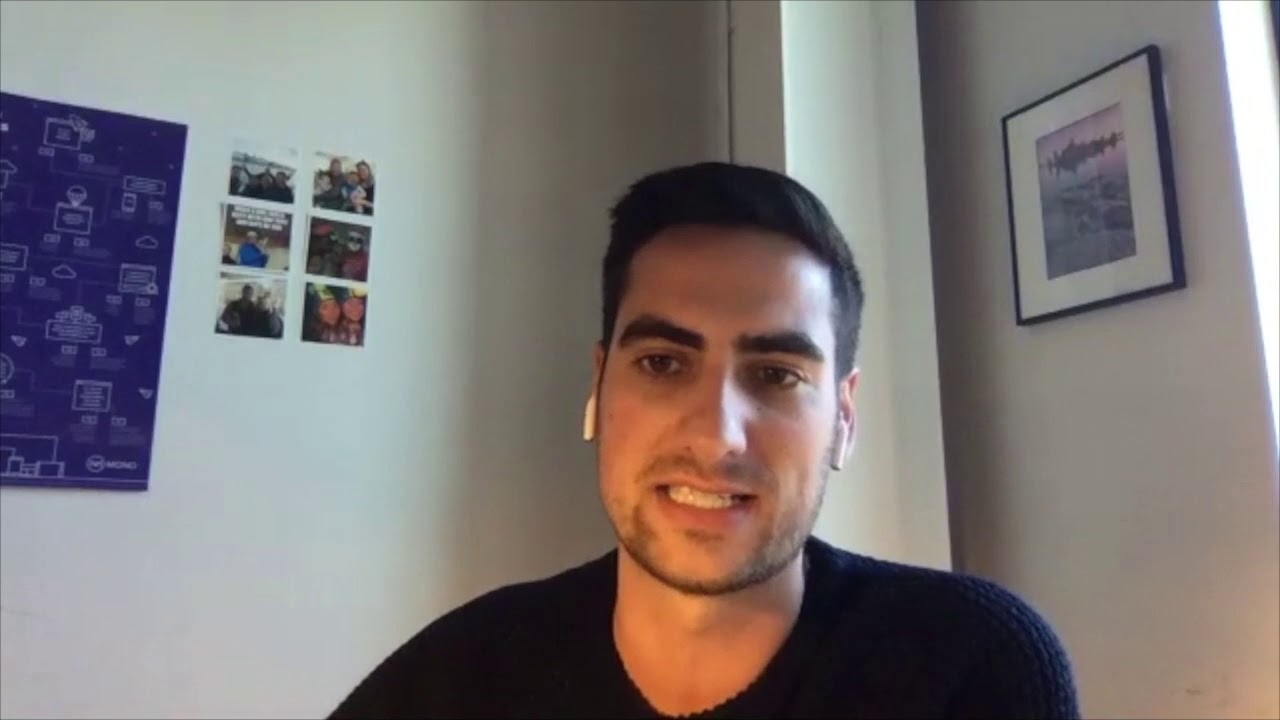
There are many reasons why the BIY Future is arguably already here. We chatted with Mono’s Matt Matergia last night to reflect on the reasons and why this topic is so important to both Mono and its partners.
A couple of key reasons that emerged were the changing buying preferences of digital-native business decision-makers. And in a related point, the fact that consumers have been trained to self-educate and self-purchase, a habit that inevitably transitions into their business lives.
Here is a brief clip from our conversation.
Please download the full report and let us know what you think about the prospects for a BIY future.