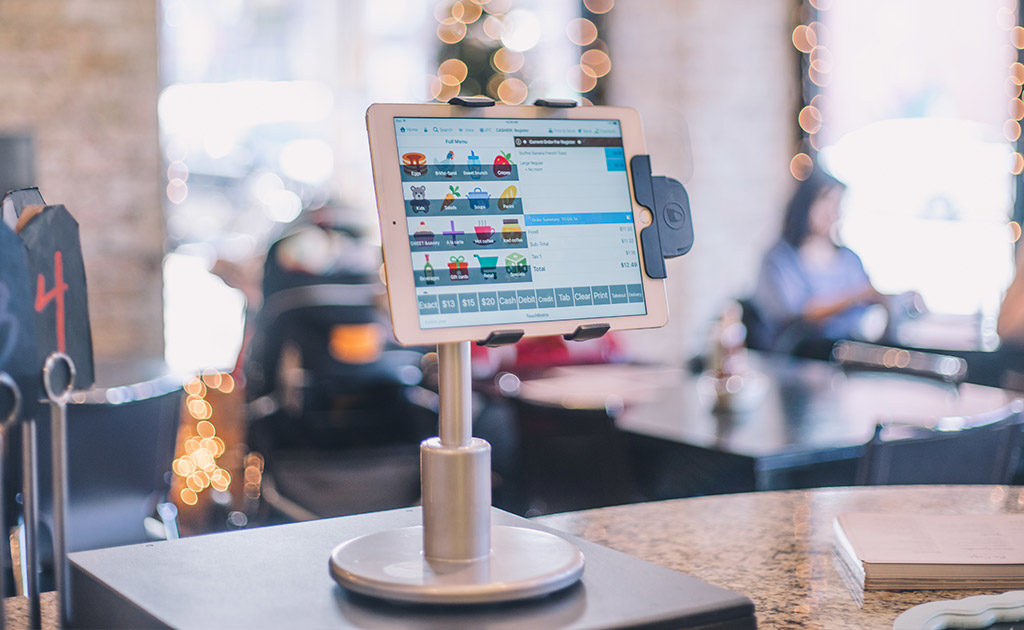
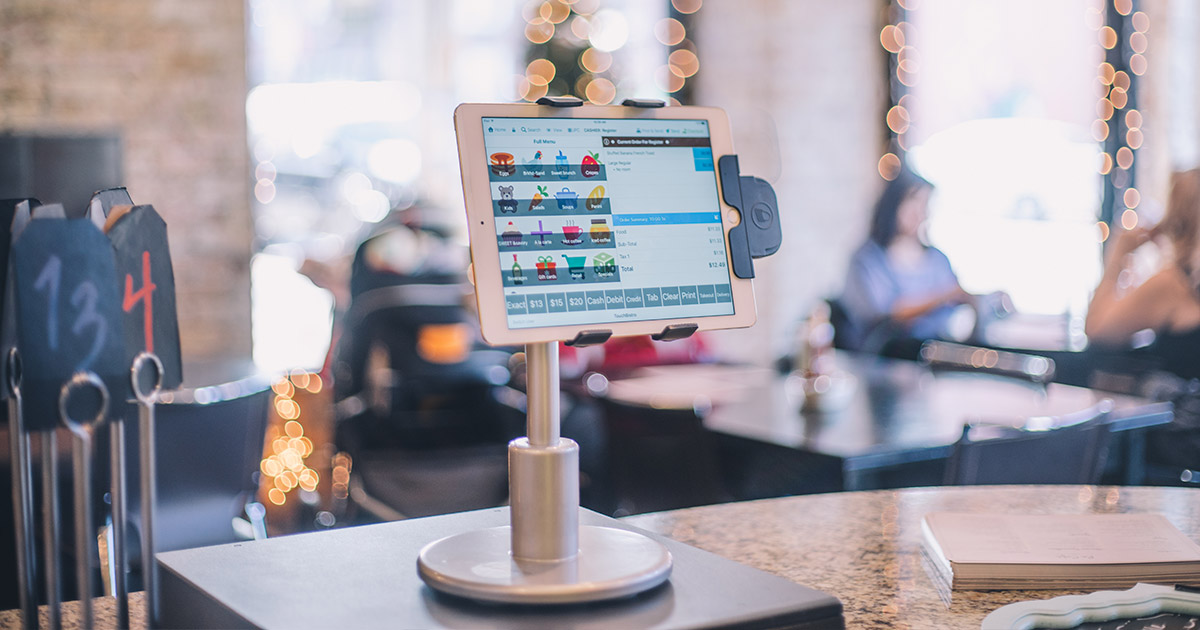
This week the Toronto-based restaurant point-of-sale player TouchBistro has raised CAD158 million in a Series E round led by OMER Growth Equity.
TouchBistro claims 16,000 restaurant clients in more than 100 countries. The company says it processes $11 billion in sales annually.
According to the press release announcing the round, “The funds will be used by TouchBistro to acquire complementary products that broaden the company’s capabilities, support the development of technology advancements, expand its presence in international markets, and increase the size of its team over the next year.”
The race to own the restaurant OS
This raise, and the intended use of the funds, highlights a couple of theme we’ve been covering on this blog. One is that companies that are trying to become the operating system for small businesses from a vertical perspective are getting more investor support than those coming at it from a horizontal perspective.
Recent examples of this include Clio‘s recent $250 million haul. Clio is a SaaS company offering in effect an OS for small law firms.
Another prodigious fundraiser is ServiceTitan, a SaaS company that offers home services providers fleet dispatch and scheduling software has seen investor interest grow as it has expanded its offering to include features like marketing and analytics.
Another relevant theme we’ve been covering is the race to dominate the restaurant SaaS space.
There are a few different flavors to the restaurant vertical, but most companies are chasing the same dream, to own the full customer operation, from booking the customer through to managing inventory and paying the staff.
There are the POS players like TouchBistro and Toast, which have point of sale as a base product and have branched out to add services like CRM, employee scheduling and so on.
There are smaller players like 7Shifts, which offers employee scheduling as its core feature, but has layered on services like employee engagement and workforce management. Rather than go full OS, 7Shfits relies on integrations with POS players.
Here 7Shifts CEO Jordan Boesch talks about choosing a vertical focus for his company

And there is UpServe, which offers a full suite of services to restaurants, including POS, CRM and marketing services, inventory and workforce management.
Each of these companies has raised significant amounts of money.
Finally, Square, technically a horizontal play, has to considered in the mix since it has such a heavy concentration in the restaurant space.
Will a dominant player emerge?
Earlier this year, we did an Above the Cloud podcast with SurePath Capital founder Mark MacLeod, where we talked about whether restaurants might be the category that produces a winner take all in the race to be the OS of record for restaurants.
MacLeod noted the massive amount of investment that has poured into the restaurant SaaS vertical (and much more has been raised since the podcast) and the fact that each player has expanded services around its base product (scheduling, booking, POS), lends itself to a single company emerging as a dominant player.
Will this happen via M&A?
“It will be modest M&A at first,” MacLeod said. “And then as the leader position comes closer to reality, we’ll see more transformative M&A.”
Here SurePath Capital Founder Mark MacLeod makes the case for the eventual consolidation of the restaurant vertical

Our sense is that there may eventually be consolidation in the restaurant POS/OS space. We think it will be more “winner take most” than “winner take all.”
We certainly expect to see an amping up of competition among the players, as UpServe CMO Andrea Kayal signaled in our podcast interview back in May when she said UpServe, while still relying heavily on inbound, is becoming more focused on convincing restaurant owners to switch from UpServe competitors. She said this more aggressive posture is necessary to ramp up growth.
“The nature of inbound is that a restaurant comes to you when they have a need,” Andra said on the podcast. “But what if I want to interrupt the buying cycle?”
You can listen to the conversation about competition with Andrea here.
Be the first to hear news about Local, events, and research. Click here to subscribe for updates from the LSA.