
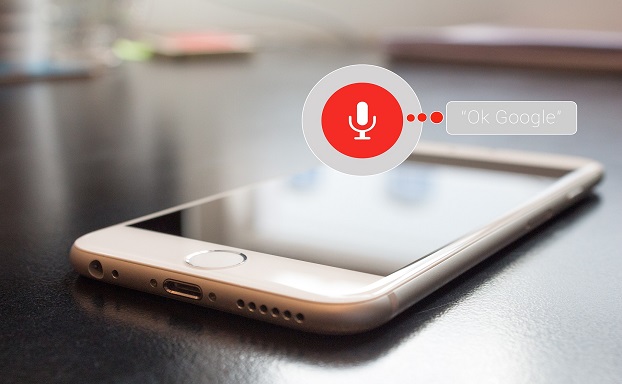
The rise of virtual assistants and voice search is changing the way consumers seek local business information. Voice search has led to queries that are longer, more conversational and often more specific (e.g. Where is the nearest grocery store?).
Three years ago Google said that 20% of all searches were initiated by voice. Since that time the company has not updated the statistic, though in the interim more than 100 million smart speakers have been sold in the US. There are also more than a billion devices globally that feature the Google Assistant (mostly smartphones).
All of this is driving more voice search volume. But are businesses “voice search ready”?
A new study from Uberall analyzed the voice search readiness (VSR) of 73,000 businesses in the Boston Metro area, ranging from SMBs to large enterprises, all of which had a location. The study utilized “a percentage-based grading system that analyzed a business’s optimized online presence” and data. Specifically, it took into account:
- Which directories are most important for feeding voice search platforms (37 of them)
- The accuracy of multiple categories of business information
By assigning a value to the top pieces of business information, including address, hours of operation, phone number, business name, website and zip code, the study calculated a VSR score from 1-100%.
The study discovered that an overwhelming 96% of businesses are not voice search ready, and the average VSR score was 44%. Dentists faired best, with an average VSR score of 96.82%, followed by health food (96.6%), home improvement (96.5%), criminal attorneys (91.5%) and dollar stores (90.1%). The bottom five categories averaged a VSR score of less than 2%.
The major contributing factor to low scores is inaccurate business information across online directories. According to the study, a mere 4% of businesses had correct information on the most significant directories (Google, Yelp and Bing).
Out of a possible 2.1 million listings (across directories) for the 73,000 businesses analyzed, there were an overwhelming number of errors, including:
- 978,305 for hours of operation
- 710,113 for websites
- 510,010 for location name
- 421,048 for addresses
The study concluded with recommendations about how to improve VSR scores. Those included having an accurate and complete Google My Business listing, as well as on key other search and directory sites, such as Bing and Yelp. It also recommends getting help from a service provider, making sure listings are correct across channels and using voice-friendly content on sites and in listings.