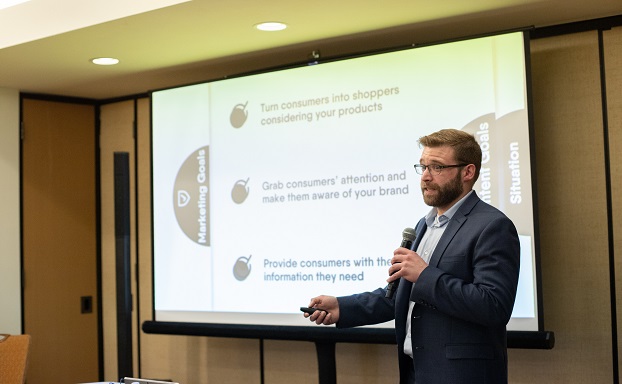
In my presentation for LSA19, I looked at the types of content brands can create to help consumers move through their unique buying journeys. Today’s consumers have access to unparalleled amounts of information thanks to a growing number of media channels producing an ever-increasing amount of content. And, consumers also have 24/7 access to that content thanks to smartphones and other mobile connected devices.
This new dynamic has changed the way consumers discover, research and make purchase decisions. For marketers, it has become extremely important to create high-quality organic content to guide consumers throughout their buying journeys.
In my presentation, I covered how marketers can create high-quality content that’s:
- Strategic – done with a purpose
- Valuable – delivers information consumers are looking for
- Authoritative – presents information in a way consumers can trust
- Accessible – easy to consume across devices and easy to find on a variety of channels
- Actionable – helps consumers take steps towards a purchase
To help brands and marketers create this high-quality content, I looked at each stage of the journey and provided three pieces of content they could use at each step. Here’s a recap of each stage.
Awareness
Consumer situation: Consumers are recognizing the need to make a purchase and are also becoming aware of the products they could buy to address those needs, as well as the brands that sell those products.
Organic content to reach consumers:
- Social media posts
- Introduction videos
- Blog posts
Consideration
Consumer situation: Shoppers are actively researching purchases and evaluating options. They are trying to determine which product they want to buy and where they want to buy it.
Organic content to reach shoppers:
- Product pages
- Product videos
- Long-form content pieces
Decision
Consumer situation: Shoppers have transitioned to buyers and have decided which product they want to purchase – now, they just need to know where/how.
Organic content to reach buyers:
- Local listings
- Location pages
- FAQ pages
Loyalty
Consumer situation: Buyers have made a purchase and are now customers who are evaluating their purchase to determine if it was the right decision.
Organic content to reach customers:
- Blog posts
- Social media posts