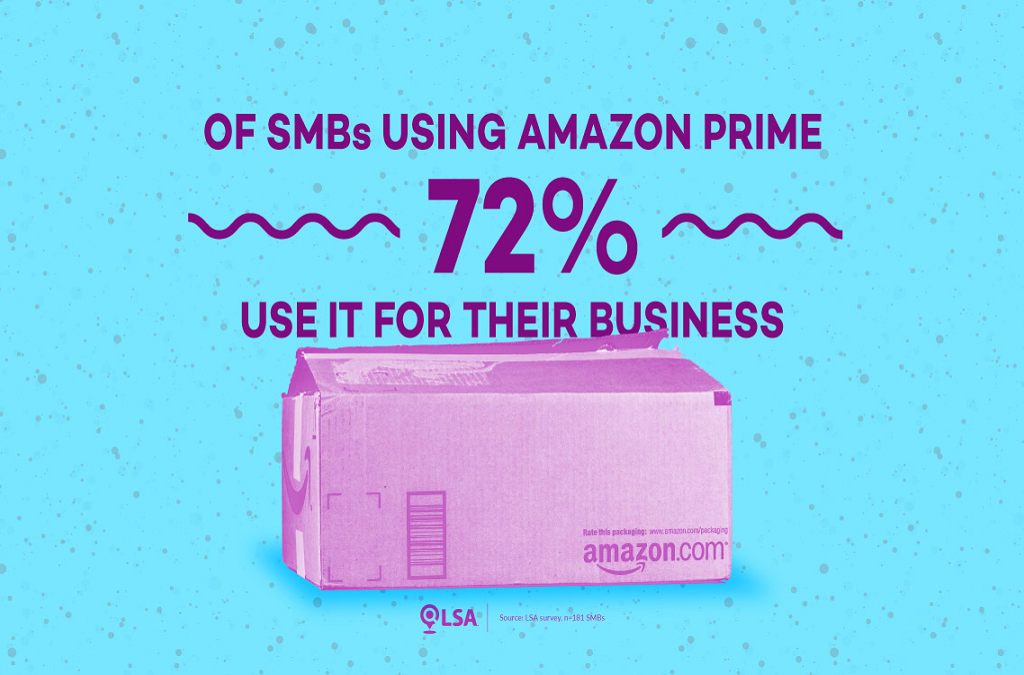
Survey: 72% of SMB Amazon Prime Members Use it for Business

Digital technology and “the cloud” are transforming the way small businesses (SMBs) manage their operations. As one example, Amazon has started to disrupt the supply chain.

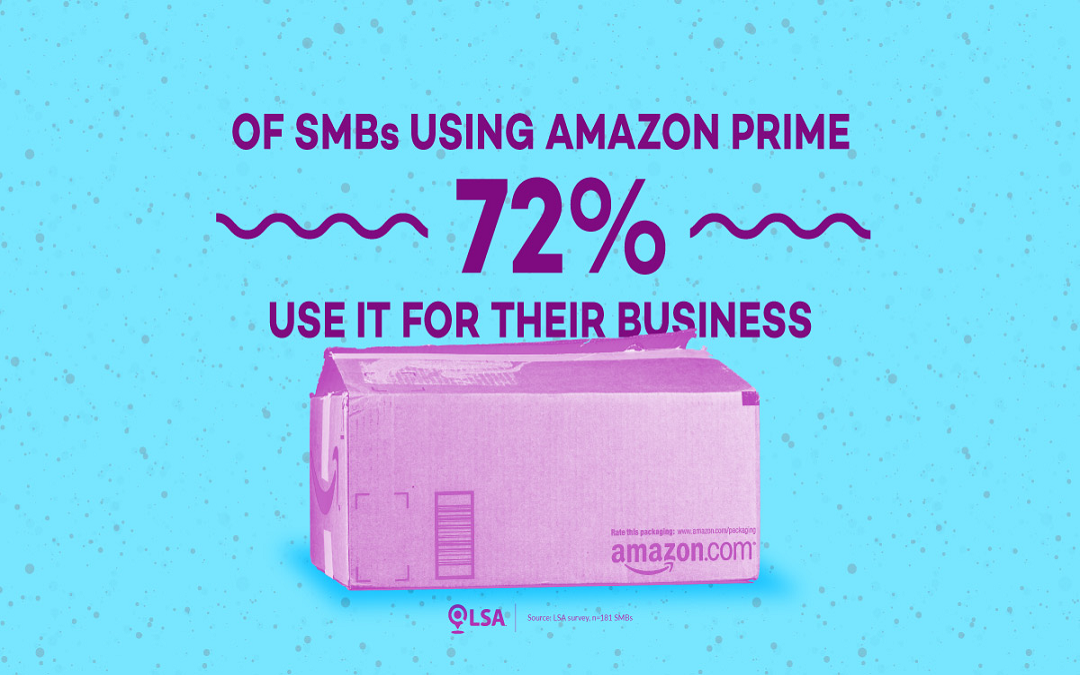
According to a new LSA survey, roughly 70% of SMB respondents said they are members of Amazon Prime. Of those, 72% are using it to buy parts, products or services for their businesses.

More interesting still, 60% of these Prime users said they purchase from their traditional suppliers and sources less often as a result of Amazon Prime. Amazon is therefore starting to become an alternative to the traditional supply chain for a growing number of SMBs. Similar disruption is happening in other SMB sectors (i.e., marketing, CRM, accounting, human resources).

The data come from a new LSA survey of 264 SMBs. To access the graphic above, click here.

Share Article...

Follow Us...

Stay ahead of the curve and get the latest on Local straight to your inbox.

By submitting this form, you agree to receive communications from Localogy. You can unsubscribe at any time.

Leave a Reply

Related Resources

Snap Shows Us How Revenue Diversification is Done

Snap has been on a clear revenue diversification path over the past few years. Branching out from its core business in ad revenue, it has launched subscription products such as Snapchat+. And with a subscription revenue run rate of $1 billion, that plan appears to be working, and gaining Wall Street favor.

Federated Data and Model Training Propel the All-in-One Software Movement

The holy grail of SMB SaaS is to be an all-in-one (AIO) provider. Spanning several SMB functions – from marketing to operations – AIO providers can gain ARPU and lower churn. The latter happens as they’re embedded deep into critical operations such as payroll and point-of-sale payments.

InMarket Spotlights Best Practices in Local Marketing

InMarket Spotlights Best Practices in Local Marketing

InMarket recently published a sort of public-service announcement that spotlights best practices in marketing physical brick & mortar locations. And in doing so, it drew out a few common tactics that represent a new playbook in location marketing.