
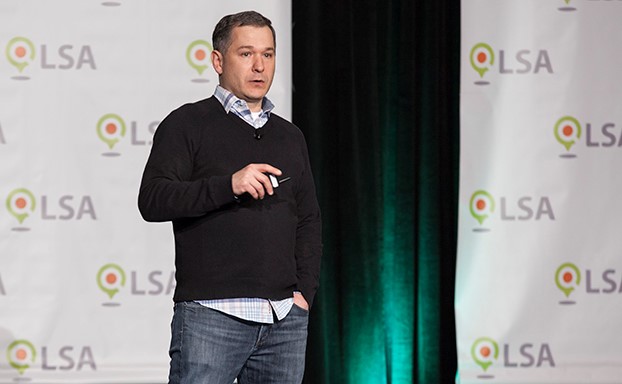
MapQuest has been around for 20 years but 3 years ago, MapQuest changed its culture and its people. 90% of employees today were not at the company 3 years ago, and Brian McMahon, MapQuest’s general manager, shared insight into this transformation.
According to Brian, culture is essential and enduring tenets of an organization. As a sort of definition, culture is a small set of guiding principles by which we will all commit to interact, upon which to make decisions, and to judge our work.”
Brian shared how the company started focusing on themselves and their users instead of their competition. They emphasized execution and results. They developed a shared vision that was bottom up.
Last year they gave their employees two goals: grow revenue and grow users. The employees were then responsible for coming up with the plan to accomplish those goals. They redefined their culture and what culture meant to them with these tenets:
- Vision – why we exist
- Values – what we stand for
- Practices – how we act
- People – who we work with
- Narrative – what are our stories
- Place – where we exist (office space)
The new Vision, Mission and Strategy prioritized working as a team, developing products and celebrating wins. They’ve taken the reason their employees come to work, universally voiced as “we want to help people,” and integrated that into their brand. Customer interaction and experience is MapQuest’s strategic differentiator. Its branding focuses on the individual and everyday heroism. MapQuest’s small stature is being used to convey that they are more like you.
The new MapQuest is not just maps, information, directions and search, but discovery, exploration, suggestion and insight. They even have a customer service phone number on their map. MapQuest wants its brand to relate to users in everyday moments big and small, be relevant to small decisions, trigger humble acts of kindness, celebrate little wins, encourage passion and empathy, and emphasize human experience. An emotional connection.
Today, their employees are proud of the company. They still get social media attacks but now vigorously defend their brand and culture. And it is resonating with users – social engagement is up and customer support data reflects a change in attitude toward the company. Engagement used to be 100% negative, but it is now much more positive. It feels good to be MapQuest and they want you to feel good using their product. Check out this branding video and see how it makes you feel.