Last week we wrote about a UK-based buy now pay later platform called Zilch that raised $110 million (after raising the same amount in July) to fuel its expansion into the U.S.
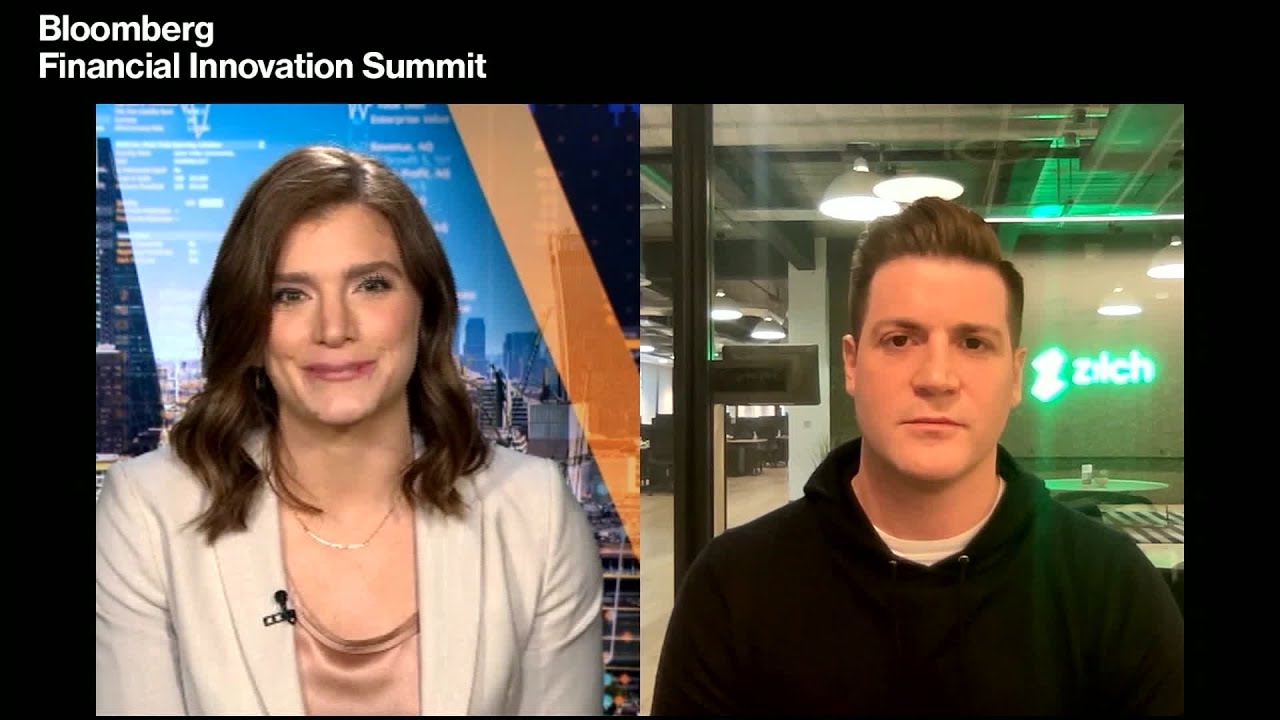
Yesterday the company’s CEO Philip Belamant gave a wide-ranging interview to Bloomberg that’s worth sharing for anyone who follows this fast-evolving branch of eCommerce and fintech.
The latest raise catapults Zilch into unicorn status, with a $2 billion valuation. This is considerably higher than the $500 million valuation it reported just eight months ago. Zilch’s $2 billion valuation puts it well below the top tier of BNPL players like Klarna, Affirm, and Afterpay. These players are all worth tens of billions.
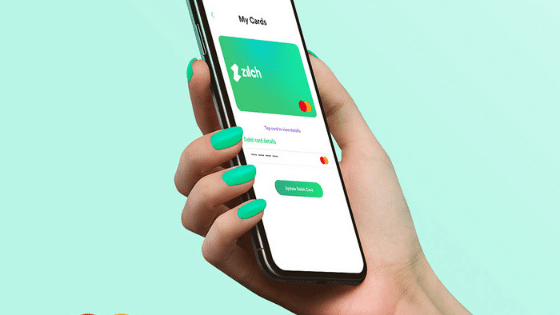
Belamant founded Zilch in 2018 and launched the product in 2019. The company stands apart from its larger competitors in one key aspect. Most of the big BNPL players operate through retailer partnerships. So if Afterpay has a deal with Lululemon, then Consumers can use Zilch with any merchant that accepts Mastercard.
BNPL Just Keeps Rolling, Going Vertical, and Raising Eyebrows
In the Bloomberg interview, Belament covered a range of topics, among them some of the common critiques of BNPL. Here are a few highlights.
Why is Your Model Superior to ‘Legacy’ BNPL
Belamant argued that his model, which is tied to Mastercard acceptance, is superior to the model that most other players like Klarna and Afterpay followed. The latter companies, which he calls “traditional BNPLs”, built their businesses on merchant relationships, while Zilch works directly with consumers. He calls his model “BNPL 2.0”.
“We don’t like the traditional model,” Belamant said. “We feel it’s becoming commoditized and it’s a bit of a race to zero.”
He said his company’s growth number provides his central point that the direct-to-consumer model is a faster way to scale. He said Zilch went from zero to 1.1 million customers in less than 13 months. And the company has grown 8X since its March funding round. he said these growth rates far exceed what other BNPLs following the merchant-centric model had achieved at this point since launch.
Isn’t BNPL Just Another Form of Credit?
Belamant pushed back hard on this, perhaps aware that there is increased reporting that BNPL default rates are rising and BNPL obligations are having a negative impact on credit scores.
“Benchmark us against other forms of credit. We do much better,” Belamant said. “There are inherent consumer protections built into the product.”
He cited as an example of this the common BNPL practice of cutting off access to future purchases to any consumer who misses a payment. He also adds that revolving credit and BNPL have opposite incentives based on their business models. Credit companies make money on overextended consumers. BNPL platforms pay the merchants for the goods upfront, which creates an incentive to collect payment in full, and sooner rather than later.
Won’t Big Banks Just Swoop in and Copy BNPL?
Belamant offers a number of reasons why the big banks won’t take out BNPL platforms.
One reason is that building a BNPL is complex. He scoffed at the widely held notion that BNPL is really a feature and not a product. Many analysts made this observation to argue that Square overpaid when it shelled out $29 billion to acquire Afterpay. He said it’s very hard to replicate the complexity of building a successful BNPL. Though we would add that it can be acquired. Though valuations are very high in BNPL right now.
He also said that mistrust in the big banks is a major reason why the BNPL industry exists.
“The reality is that these institutions are the reason that millennial and GenZ consumers are using our products in the first place,” Belamant said.
Is BNPL Overbuilt?
Belamant seemed to contradict his earlier point about legacy BNPL business models being a “race to the bottom.” He said BNPL has so far tapped only about 4% of the available market. So any notion that there are too many players in the market is incredibly premature.
“There is a huge amount of room for everyone in this space,” he told Bloomberg.
Is There a Role for Crypto in BNPL?
Belamant believes crypto will become a means of payment on BNPL platforms in the near future. And he said Zilch has are already crypto initiatives currently underway.
“Crypto is going to make up a lot more of how we transact,” he said. “And not just as customers on Zilch, but also B2B as well.”
You can watch the full interview with Balamant here.