
Exactly two years after its splashy unveiling of Apple Intelligence, and lots of handwringing since then, Apple has made good on its AI promise. At this week’s WWDC keynote, Apple painted a more tangible picture of AI’s integration across its products, including Apple Intelligence and the new Siri.
Sticking with that last part and stepping back for context, we’ve been asking for a few years if Siri will be set out to pasture or receive a brain transplant. Either way, the painstakingly dysfunctional – yet ubiquitous – Siri wasn’t going to cut it in the new era of elevated standards in conversational AI.
It’s now certain that the brain transplant route is the official outcome. Known as Siri AI, it will be adept in today’s AI standards, and it will get by with a little help from Google. The Gemini-infused Siri will exist as an intelligence layer across Apple apps (as Siri was always supposed to do) and have its own app.
Taking those modalities one at a time, cross-app Siri functionality will include things like describing and contextualizing anything that appears on your screen. And the standalone version of Siri will be an app, sort of like ChatGPT or Claude, that remembers all your past conversations and is highly personalized.
The Apple Way
Beyond Siri AI, there is also the broader entity that is Apple Intelligence. After trying to go it alone (the Apple Way), Apple realized that it’s not an AI company and it needed to outsource that functionality and simply be the shiny front end. So it partnered with Google to be the official AI provider for all iThings.
But not to be content without some self importance, Apple described Apple Intelligence as utilizing Google’s foundational models in a new flavor of AI that mixes in its own special sauce. Fair enough. This translates to Apple’s software, content, and user personalization being the inputs for Gemini to process.
This will play out in ways similar to the explanation above for Siri’s cross-app support. Apple Intelligence won’t be a single app or text prompt but rather a layer of intelligent functionality that spreads across Apple’s software surface area. There are several ways this takes shape and more that will roll out quickly.
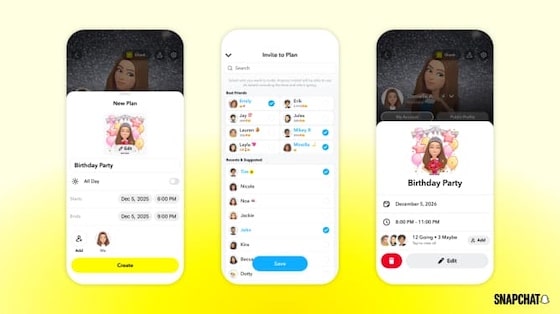
For example, you can create a calendar item and invitation by talking. You name the event, participants, and a place. An item will then be created on your Apple Calendar with the right people (from your contacts), place and location details (from Apple Maps), and the invitations sent (via Messages or Mail).

Planting Seeds
There are tons of other examples of Apple Intelligence’s infusion across iOS (see the sped-up version of WWDC above), but the broader point is that Apple has finally shown up to the AI party. In that sense, much of what Apple announced this week wasn’t groundbreaking but rather playing catching up.
But here’s the thing: Apple will catch up quickly in the AI race That’s simply because it already has what all the AI pure-plays are trying to build: vertical integration and a physical user touchpoint. ChatGPT and Claude are phenomenal AI tools, but they have to convince you to go out of your way to use them.
Apple on the other hand can simply integrate AI across its products and quickly become one of the most penetrated AI providers on earth. Not only is it penetrated, but it’s trusted. Apple has planted seeds for AI dominance by establishing trust with users for more than a decade as the privacy-first player.
That could alleviate trust issues that plague AI’s greater mainstream penetration. And once all those Apple users embrace AI – or just use it across their devices without knowing it – the flywheel will spin quickly. From there, Apple will be able to train its Gemin-based models with tremendous depth and scale.