One of the AI era’s emerging topics – and a source of much handwringing in the media sphere – is the technology’s acceleration of zero-click search. As we examined recently, referrals to websites from AI engines are growing… but not enough to counteract the zero-click searches they inflict.
As quick background for those unfamiliar, zero-click search is when a search is done but no click results – usually when there’s enough info in the SERP to satisfy users. This was an existing trend as Google increasingly fills SERPs with knowledge-graph content, and is now accelerated in the age of AI.
Beyond how AI is increasingly integrated into SERPS – a la Google AI overviews and AI Mode – the presence of AI engines as alternatives to search is putting a noticeable dent in traffic to websites. This is especially true for news publishers. As a sidenote, Google denies that this is actually happening.
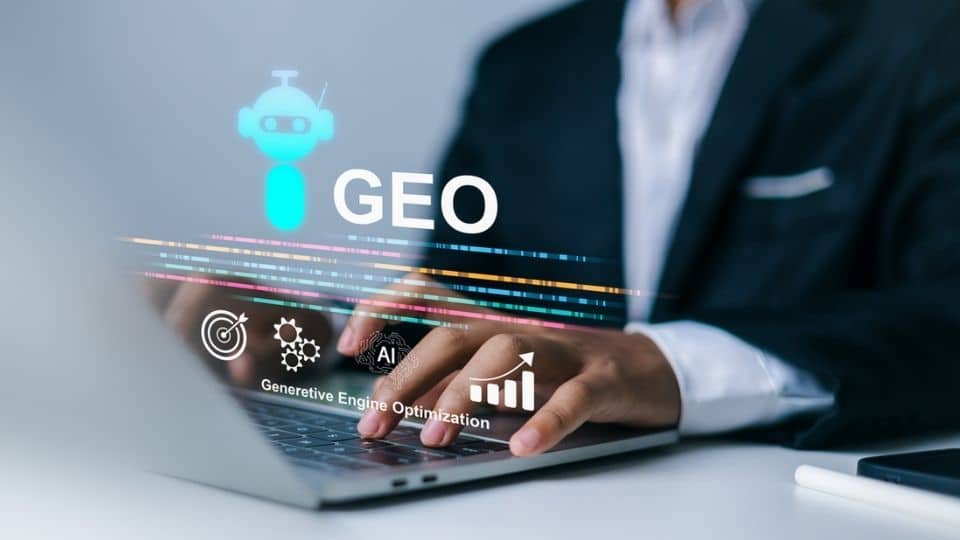
Regardless of the impact and its magnitude, this has become a hot topic lately, with some treating it as a rallying cry for the dark arts of AI SEO, sometimes also called generative engine optimization (GEO). Expect this drumbeat to get louder in the coming months as zero-click search intensifies.
Shifting Ground
With that backdrop, there are several folks in the Localagyverse who are doing more than just following and talking about this trend. The AI-forward players in our sphere continue to devise strategies and develop their SMB-SaaS products in ways that address and adapt to the consequences of AI’s rise.
One of those players is vcita. It recently told us (citing Datos) that Google sent 40 percent of clicks to websites this year, down from 44 percent last year. This obviously impacts businesses that operate those websites. But it also affects another constituency: agencies that make a living on delivering traffic.
As we examined recently, businesses are more scrutinizing than ever of their agencies, and are firing them with greater frequency. Along with the trend above, where referral traffic is becoming scarcer by the day, this generates gusty headwinds for agencies that work with both large and small businesses.
The answer, according to vCita CEO Itzik Levy is for agencies to realize that driving traffic is only part of the game. This is especially the case for SMB-focused agencies, as SMBs were never really enamored by web traffic to begin with. Often, they don’t want impressions… they want qualified leads and revenue.
The bottom line is that the change brought by AI could represent an opportunity for agencies to refocus on what SMBs really want. If they can do that, they can treat this shifting ground as an opportunity to optimize their services and come out better and more aligned with SMBs than they were before.
Boiling it Down
Boiling this down into tangible advice and tactics, we recently caught up with vCita’s Levy, who gave us five practical tips to navigate all this disruption. To save Localogy Insider readers time, here’s the quick list.
1. Respond faster, win more leads: Real-time lead notifications help clients follow up instantly, boosting conversion rates and eliminating missed opportunities. If fewer leads are coming through, you just have to make more of them count.
2. Show conversions, not just clicks: Deliver more than marketing by offering tools that let clients book prospects directly. Helping them convert leads is the most tangible proof that your efforts are ROI positive.
3. Keep clients in the loop with meaningful, impactful dashboards: Use clear, client-facing reports that show how many leads were generated, how they were handled, and what revenue followed. When agencies close the loop and provide a clear view of results, retention soars.
4. Empower SMBs with AI that actually helps: From auto-replying to inquiries to generating content, AI that solves real workflow problems builds trust in your services, especially when it leads to faster response times and more deals won.
5. Make marketing mobile: If you’re offering any sort of digital tools, don’t count on small businesses sitting in front of their computer. Being present on your clients’ mobile devices is a non-negotiable. It’s a modern way to deliver ongoing value anytime, anywhere.
So there you have it. We’re at the beginning stages of AI’s zero-click impact, so this will be a moving target. Keep reading and we’ll keep watching.
Header image credit: Scott Rodgerson on Unsplash