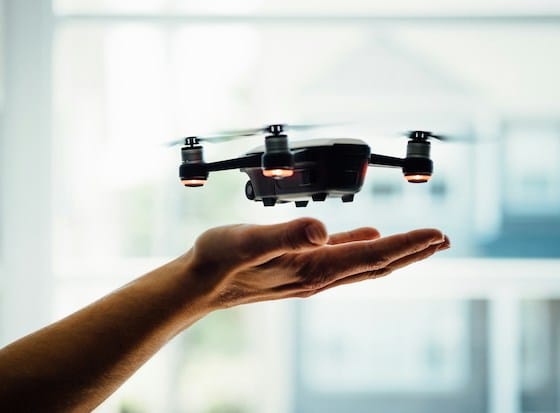
We love a good “Florida man” headline. The latest to cross our desks involves a Florida man who shot down a Walmart delivery drone after thinking it was spying on him. This is bound to happen given the increasingly drone-filled sky in the U.S.
But the real point isn’t just the wacky nature of this story but its implications for last-mile local delivery. As we’ve examined, Walmart, Amazon, and others continue to see drone delivery as central to their future logistical systems. And they face enough headwinds without people shooting them out of the sky.
In that light, the legal outcome of this situation could set an important precedent for how delivery companies can protect their aerial assets. In this case, the damage to the drone and its payload totaled $2,500. The Florida man was charged with “criminal mischief” resulting in property damage.
But we could see more pressure from the Amazons and Walmarts of the world to apply maximum penalties in such cases to disincentivize shooting them. They obviously have a financial incentive to do so given their growing frequency of drone deliveries as they continue to ramp up their programs.
Economies of Scale
Speaking of financials, the cost that retailers already bear is substantial. Amazon paid $484 for every drone delivery in 2022, projected to drop to about $63 by 2025. It needs to keep working the economies of scale to get that price down, especially as we’re talking about the margin-obsessed Amazon here.
Counterbalancing some of those challenges are a few recent wins. For example, as we covered recently, the FAA has relaxed its regulations on line-of-sight drone proximity. This allows the Amazons and Walmarts of the world to deliver items at greater distances, beyond destinations they can physically see.
Backing up for context, the FAA requires that drone operators maintain line-of-sight visual contact with their in-flight hardware at all times. This has made it difficult for Amazon to complete drone deliveries beyond a few hundred yards. So it threw lots of R&D dollars at the problem to find a workaround.
The result is Amazon’s Beyond Visual Line of Sight (BVLOS) technology that gives drones autonomous-vehicle-like abilities to detect and avoid obstacles. The FAA was sold on the solution and lifted its line-of-sight requirements for Prime Air. Alphabet’s Wing, which works with Walmart, has already done similar.
Ep. 28 Peers into the Future of Drone Deliveries and SMB Automation
Long Game
The question this all leads to is what are the implications for SMBs? For one, Amazon’s continued innovations could come at the cost of SMBs. The more it can streamline its fulfillment logistics, the more it can engage in aggressive price competition. As Jeff Bezos says, “Your margin is my opportunity.”
But a less intimidating angle for SMBs is the eventual down-market migration of this technology. Amazon and Walmart are investing heavily in the underlying tech and legal workings, per the above. That could pave the way for smaller players as it – like most emerging tech – trickles down to SMBs.
But that down-market migration will take years. It’s worth anticipating but it’s not imminent. Amazon, Walmart, and others are meanwhile playing a long game with their last-mile drone programs. One endpoint could be drones that launch from, and return to, delivery trucks that cruise down the highway.
Amazon will likely lead the way here as it continues to have an obsession with streamlining logistics and delivery. That obsession has led to measures like avoiding left turns in its delivery routing, and other such penny-shaving measures. One reason it loves drones is that there are no traffic issues… at least not yet.