Shoppability and privacy were two of the many media and tech macro trends that accelerated in the past year. These two forces not only impact media, advertising, and commerce, but they’re colliding and feeding into each other. But before diving into that convergence, what’s behind these trends?
Starting with Shoppability, this is a longstanding area of development in eCommerce and social media where everything is becoming transactional. Once limited to upper-funnel marketing and brand exposure, these apps are moving down-funnel to offer product discovery and shopping.
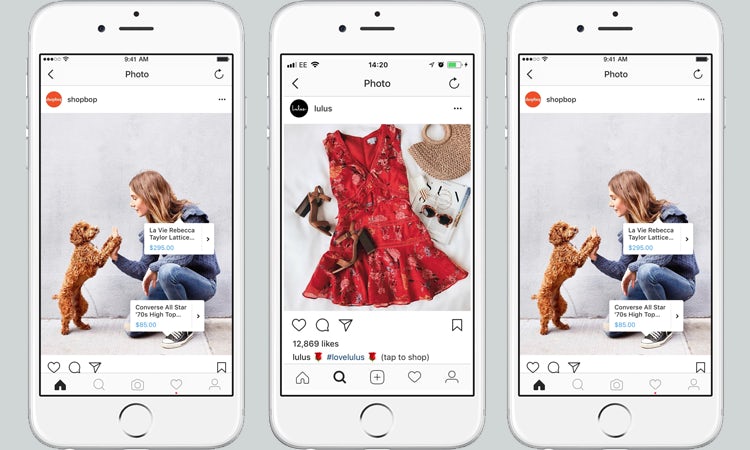
One way this materializes is buy buttons on everything from TikTok videos to Snapchat Stories. Social commerce beacons like Instagram also offer tools to stimulate in-feed shopping such as product tags. Brands and influencers are incentivized to add these tags which builds a structured shopping taxonomy.
“In feed” is the operative term, as all the above is meant to engender insular end-to-end shopping flows under one roof. That reduces friction for users, which boosts conversions. It also serves apps and social channels by keeping users within their walled gardens and lessening bounce rates.
One-Two Punch
On to the second big macro trend, privacy, we’re now a few years into the age of privacy reform. This continues to takes several forms including legislative and private-sector measures. The former gets the most headlines but the latter is more impactful, including platform-level restrictions from iOS.
These restrictions include end-user transparency about the data that apps are collecting, which is the primary function of Apple’s App Tracking Transparency (ATT). There’s also a crackdown on third-party data, such as ad networks that track users across websites in order to target them behaviorally.
That last part is why you hear so much these days about the value of first-party data (or zero-party data). Any media property or app can gain an edge if it can achieve a combination of scale (meaningful data volume) and first-party orientation. One company that enjoys this combination is Amazon.
So the name of the game these days is to attract traffic at scale and keep it within your own four walls as consumers search, discover, shop, and transact. Of course that’s easier said than done and we can’t all be Amazon. So apps with strong engagement – the Instagram of the world – become more shoppable.
Additional Tailwinds
And that brings us back to the collision of shoppability and privacy. Earlier we said that a key tenet of shoppability is shopping flows that happen all under one roof. Another way to frame that is in first-party terms. The full-funnel – from product discovery to consideration to purchase – happens in one place.
Beyond advantages outlined earlier, including lessening user friction and bounce rates, shoppability enables first-party data collection. In other words, by developing end-to-end shopping flows on one’s own property – say, Instagram – a more holistic data set for each signed-in user can be collected.
As long as that data is collected and then applied by the same entity, the privacy Gods are happy. And to add another incentive, shoppability offers more concrete and performance-based ROI for marketers that choose to work with a given app in their media mix. The path to purchase is less fragmented.
Altogether, shoppability has several driving factors. For that reason, we see it as both a longstanding trend, and one that’s just getting started. Beyond its inherent advantages, it’s well-timed for the privacy era, which offers additional tailwinds. Expect everyone from Pinterest to TikTok to ratchet up in 2024.