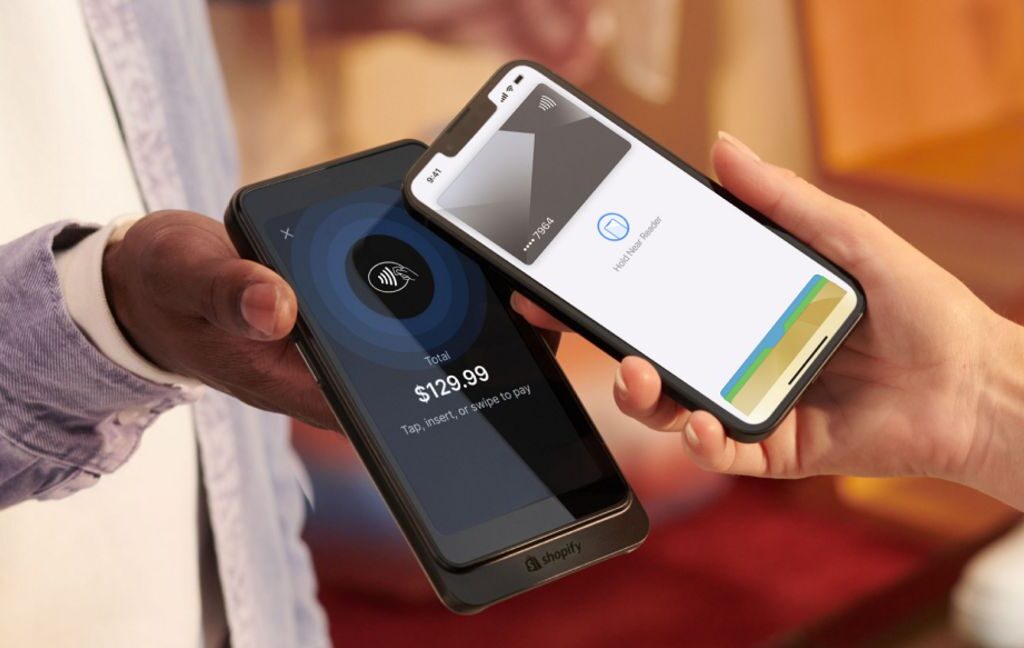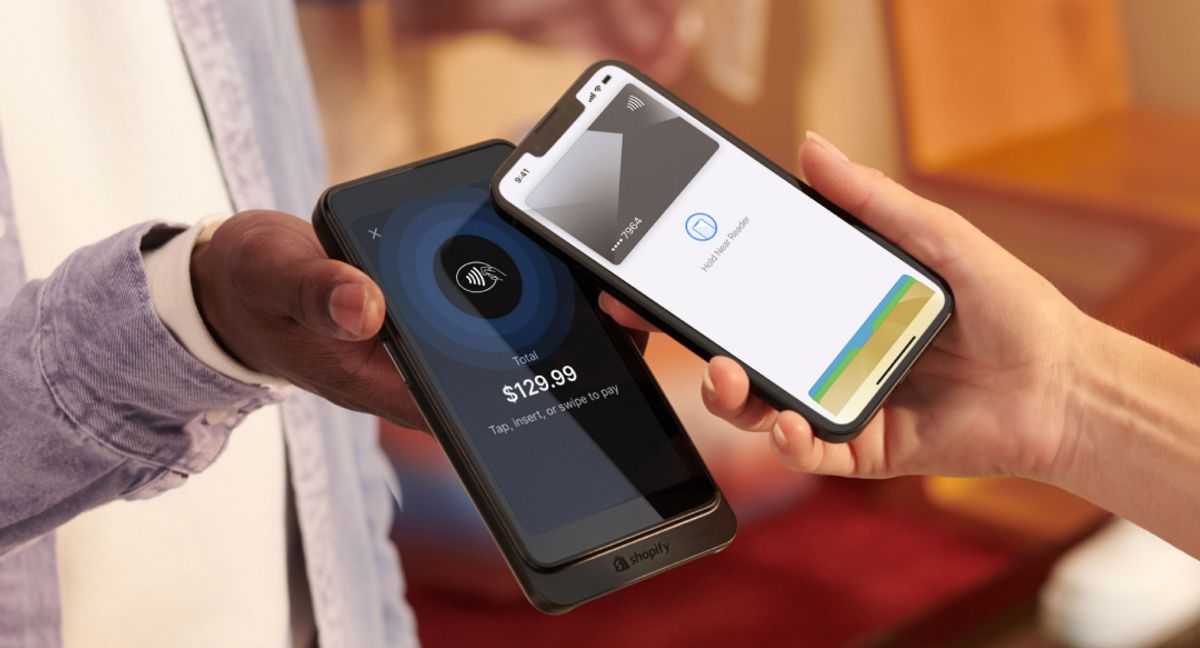
In 2016, Apple brought NFC to the iPhone. As you may remember, this enabled iPhones to complete transactions by tapping them on compatible POS readers – a key piece of the Apple Pay puzzle. It then spent years forming partnerships with retailers and POS providers to achieve ubiquity.
Then came the next piece in the puzzle: accepting payments via NFC. Back in February, Apple activated its massive network of NFC chips to not only tap to make payments but to accept them. The practical result is that every iPhone is now a point of sale (POS), thus democratizing payment processing.
This essentially means that every SMB with an iPhone 7 or later suddenly has a POS terminal. No Square readers… No Clover terminals… Just an iPhone. Though such hardware still has a place in retail, democratizing payments to anyone with an iPhone reaches a larger SMB base.
For example, highly-mobile SMBs can now accept payments easily. We’re talking about home services professionals that can process payments directly at the job site. There’s also a long tail of food trucks and farmers’ market merchants that conduct business outside of a traditional storefront.
Surface Area
With all the above, there’s one catch: Apple’s Tap-to-Pay framework is only as good as the payment gateways that work with it. Fortunately for Apple, it has a massive installed base that attracts any app or service provider looking for scale. So naturally, it has attracted top payment gateways like Stripe.
Now, it has made the next move in its conquest of payment network coverage: Paypal and Venmo. During its Q3 earnings call, PayPal (which owns Venmo) announced that it will now support Apple’s new Tap-to-Pay standard. This marries a popular payment gateway with an emerging payment modality.
The way it works specifically is that PayPal and Venmo can now be included for Tap-to-Pay transactions within Apple Wallet. The Tap-to-Pay functionality also operates within the PayPal and Venmo apps. This gives Tap-to-Pay greater surface area and accessibility to boost SMB adoption and acclimation.
To that end, this move opens things up to a swath of individuals and SMBs that have PayPal accounts, which could expand Tap-to-Pay traction. This dynamic is based on the fact that Apple’s Tap-to-Pay operates on a sort of network effect: both payer and payee have to be compatible for it to work.
So with PayPal and Venmo in the mix, Apple’s Tap-to-Pay system gains utility and applicability. And this will only increase as Apple continues to gain compatibility across payment gateways. Meanwhile, PayPal and Venmo are particularly relevant for the very small businesses (VSBs) of the world.
Tactile Confidence
Sticking with the theme of VSBs, these include the aforementioned food trucks and farmer’s markets. PayPal and Venmo (along with Zelle) have become go-to payment methods for this segment of the SMB universe. They usually do so by manually typing in account credentials… now they can just tap.
What this essentially means is optionality. Mobile payments have always had a steep adoption curve because they’re anchored in habit and security-bound comfort levels. For some SMBs wary of pixie-dust mobile payments through Venmo, the physical phone tap could engender tactile confidence.
Of course, as with all things SMB, it could take a while for that confidence and adoption to evolve. But the pieces are in place. We’ll see more adoptive SMBs jump on this, followed gradually by others. We’ll track Tap-to-Pay adoption as it unfolds, reporting back occasionally on how it’s landing.