Buy now, pay later has been around for years, but in 2021 it became a megastar on the eCommerce and fintech landscape. BNPL exploded in 2020 and 2021 on the backs of two big trends. First was the pandemic-driven surge in online retail. And the second, more profound trend was younger consumers’ rejection of conventional credit models.
In 2021 these trends fueled massive growth in BNPL, including the model’s expansion into new consumer product categories and B2B verticals. It also fueled global expansion, M&A, and market entries by strategic players fearful of losing out on the BNPL juggernaut.
The year also brought much greater scrutiny on BNPL from critics, consumer advocates, and regulators. This pushback arose amid growing evidence that the model may not be as consumer-friendly as previously assumed.
For those not in the know, buy now, pay later is a way to pay for goods and services in which the consumer makes an initial payment, followed by a series of regular installments. But unlike layaway, the consumer doesn’t have to wait until the final payment to take delivery of the goods. This method has spawned an entire industry, largely due to its popularity with millennial and GenZ consumers.
The Year in BNPL
It’s the time of year to reflect on what happened in the previous 12 months and to look ahead to the coming year. So let’s take a look back at the top 10 BNPL stories of 2021.
BNPL Just Keeps Rolling, Going Vertical, and Raising Eyebrows
Story No. 10: BNPL Goes Vertical
This year we saw multiple examples of the buy now, pay later business model moving beyond its original home in consumer e-tail. Today, investors are increasingly funding startups building BNPL solutions for travel, home services, construction, and even healthcare.
Story No. 9: Affirm Partners with Amazon
Winning in BNPL is largely a game of partnerships. Partnership with key retail brands is one priority. Partnership with major players in payments and eCommerce is another.
In August, the U.S. BNPL platform Affirm checked in effect both boxes when it signed a deal with Amazon to offer its installment payments solution to Amazon customers at checkout.
Story No. 8: Paypal Goes Big in Japan
Back in September, the payments giant Paypal made it clear that it doesn’t intend to be outdone in the race for global dominance in buy now, pay later. That’s when Paypal announced its plan to acquire Japanse buy, now pay later platform Paidy for 300 billion yen. That works out to roughly $2.7 billion. And it wasn’t even close to the biggest BNPL M&A deal of 2021. More on this point later.
Story No. 7: Klarna Leads Valuation Surge
Sweden’s Klarna, one of the world’s top buy now, pay later companies, raised the bar on what it takes to lead in the BNPL space. At least in terms of valuations and fundraising. In June, Klarna raised a fresh $639 million in equity. This raise would seem pretty gaudy just on its own. But it came just a few months after Klarna had raised $1 billion.
The June raise placed Klarna’s valuation at $45.6 billion, which was a big jump up from $31 billion at its prior raise. All that fundraising made Klarna Europe’s most valuable fintech.
Story No. 6: BNPL Goes Global
We wrote rather extensively about buy now, pay later platforms around the world offering different spins on the BNPL model. One example of this was payo, an Australian company we wrote about back in August that applies BNPL to restaurant meals.
Another global trend we witnessed in 2021 was cross-border investments and acquisitions. For example, the U.S.-Australian platform Afterpay invested $10 million in Dubai-based Postpay. And Australian BNPL ZipCo has been making acquisitions in the U.S., Asia, Africa, the Middle East, and Europe. We expect to see more of this in 2022.
Story No. 5: Prof. G’s Takedown
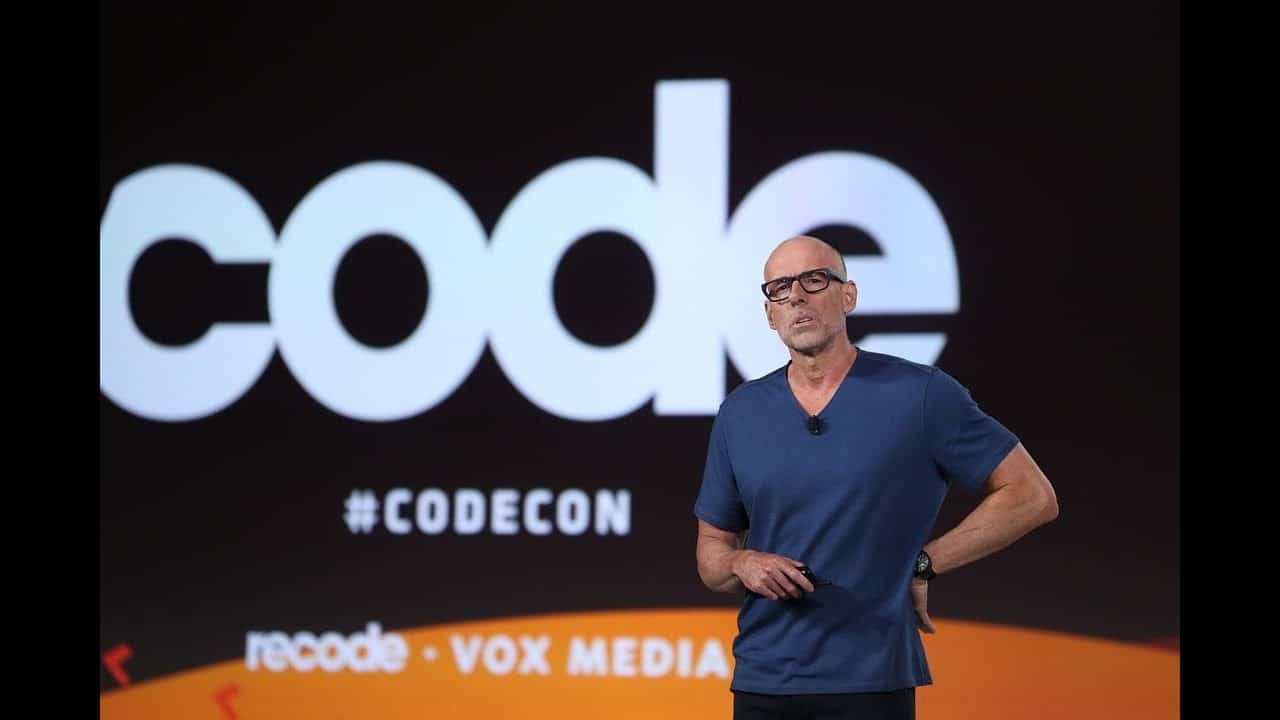
You haven’t truly lived as a high-flying company or business category until Prof Scott Galloway decides to eviscerate you in one of his notorious “No Mercy, No Malice” takedowns. WeWork is probably still rubbing dirt in its wounds over “We WTF”. It’s unclear if Prof. G’s more recent unpacking of the BNPL business model will have the same impact. But it was brutal nevertheless.
Here’s a taste, where Galloway in effect accuses BNPL platforms, not unfairly, of talking out of both sides of their mouths.
“The [buy now, pay later] business model is predicated on this fact: BNPL customers spend more money. Klarna boosts the average consumer basket size by 45%. Affirm increases it by 85%. Afterpay reports a 17% larger shopping cart, as well as a 12% uplift in overall sales. This is the psychological masterpiece at the heart of BNPL’s success: While fear of debt draws consumers toward Buy Now Pay Later, the model inspires them to spend more.
Story No. 4: Survey Reveals Cracks in BNPL Foundation
In September we wrote about a Credit Karma survey that showed all was not rosy in the BNPL land. The data showed rising delinquencies among consumers using buy now, pay later platforms. The now widely cited survey provided ample ammunition to those calling for regulatory oversight of this popular consumer finance method.
According to the survey, which sampled 1,044 U.S. adults, one-third of those using BNPL have fallen behind on their payments. And 72% say their credit scores have declined. The survey also found that 44% of adults have used BNPL to make a purchase.
Story No. 3: Apple Pay Later Alters Landscape
Some big BNPL news emerged in July. Apple, which has long been a major fintech player via ApplePay, revealed it would launch its own Apple Pay Later BNPL solution via a partnership with Goldman Sachs.
Goldman Sachs also backs the Apple credit card, which is not linked to the new BNPL solution. The solution reportedly will work through Apple Pay, with two choices “Apple Pay in 4” and “Apple Monthly Installments.”
Apple had ample incentive to roll out a BNPL solution. Of course, it could generate billions in transaction fees. It could also use BNPL as a wedge to increase iOS share in markets where it lags.
Story No. 2: U.S. Regulator Takes Aim at BNPL
In mid-December, we saw an announcement that had become all but inevitable, given BNPL’s growing importance on the U.S. digital payments landscape, as well as its growing chorus of critics. The Consumer Finance Protection Bureau has opened a probe into BNPL.
The agency’s biggest concern seemed to echo Prof. Galloway’s critique that BNPL is leading consumers into a debt trap.
“Buy now, pay later is the new version of the old layaway plan, but with modern, faster twists where the consumer gets the product immediately but gets the debt immediately, too,” CFPB Director Rohit Chopra said in a statement.
“We have ordered Affirm, Afterpay, Klarna, PayPal, and Zip to submit information so that we can report to the public about industry practices and risks.”
This could be a blip or a game-changer. It all depends on whether the probe has any teeth.
Story No. 1: Square Plunks Down $29B for Afterpay
In early August, Square decided it needed to get into the buy now, pay later game. After all, as a leading payments company, it needed to follow the lead of Apple, MasterCard, Paypal, and others that have made BNPL moves. So it went in hot and placed $29 billion of its (stock) chips on one of BNPL’s leading players, Afterpay.
In many ways, the deal was emblematic of BNPL in 2021. The entire year was an intense rush to throw large piles of money at a space that still needs to prove it has longevity as a popular alternative instrument for consumer credit. And BNPL also has yet to face, and survive, the full test of regulatory scrutiny.
We expect BNPL in 2021 will have two defining features. Regulation and consolidation.