One of our ongoing areas of coverage and analysis is retail-as-a-service (RaaS). Players in this emerging sector provide various tools for retailers to streamline operations — everything from shipping logistics to point of sale software. And one of the biggest players tackling this sector is the mighty Amazon.
As quick background, Amazon’s various moves in its Go stores and Whole Foods are less about penetrating retail itself and more about test beds for its RaaS tech. This includes its “just walk out” technology, Amazon One palm-scanning systems, and its smart salon tech that includes AR-infused smart mirrors.
After tracking these moves, the one hypothesis we keep making is that Amazon’s endgame will be to spin this technology out for third parties. It did this with “just walk out,” as we predicted. And this week, it’s begun to do the same for its Amazon One palm reading tech in partnership with ticketing company AXS.
New Spin
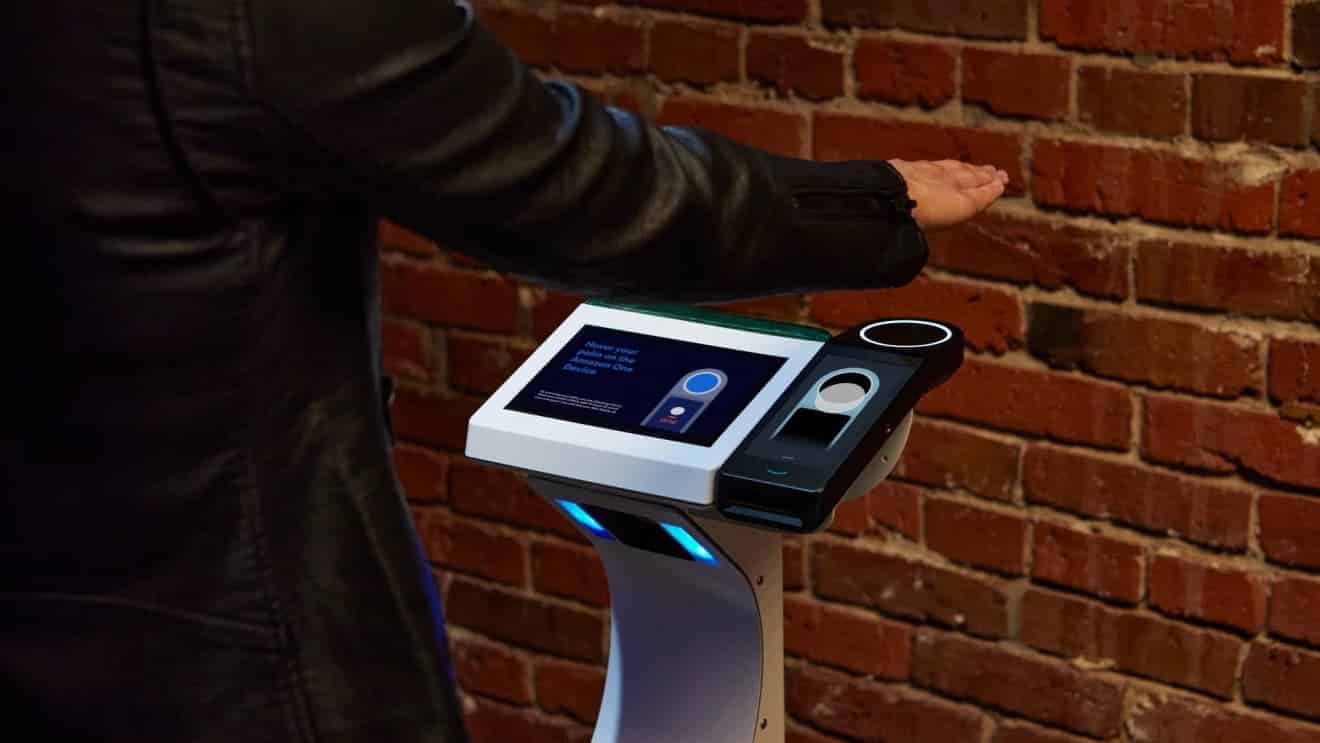
As background for those unfamiliar, Amazon One is a physical terminal and software stack that authenticates shoppers in retail locations. These terminals can be used when a shopper enters a store (thus enabling “just walk out” payments) or as a payment method within a traditional checkout aisle.
The AXS deal puts a new spin on this technology with a parallel use case: ticketing. Specifically, AXS will implement Amazon One at the iconic Red Rocks Amphitheatre outside of Denver. Like Amazon One’s use in grocery stores, it will act as an additional option for authentication, in this case for contactless entry.
Guests will be able to enroll in under a minute by associating their mobile ticket with their Amazon One palm scan. They can then breeze through at future AXS events. But the kicker is the incentive to enroll: Amazon One users can use a dedicated entry line to enter an event, which could sway some folks that are on the fence.
This is similar in some ways to Amazon’s recent $10 incentive for Amazon One enrollment in its trials at Whole Foods. Amazon knows that consumers are skittish about privacy. Digital authentications systems are new and there are trust issues whenever biometric identity is involved. So these systems need a nudge.
Meanwhile, the timing for Amazon One is relevant and deliberate, given the ongoing threat posed by Covid-19. As we’ve examined, Covid could have a lasting impact on consumer behavior, even after it recedes. This could pave the way for touchless systems in public spaces — everything from store aisles to sporting events.
Acclimation Process
Stepping back, the question raised by all of the above is why? Why is Amazon building out a RaaS strategy to begin with? One answer is revenue diversification. Just like its moves into advertising, RaaS and other programs help Amazon maintain revenue growth as its core eCommerce business matures to some degree.
Also like its advertising business, it’s about adjacency and synergy. Amazon’s RaaS moves trace back to and support its core eCommerce business in a few ways. For example, Amazon One palm prints are linked to Amazon accounts, allowing Amazon to track offline behavior to target online product suggestions.
This gets back to privacy concerns, given red flags for all-things data collection. Amazon says that palm scans are encrypted and stored on its cloud, thus remaining first-party. And users can unenroll in Amazon One any time. But consumers are still wary of privacy and big tech so this will be a long acclimation process.
As part of that ongoing RaaS expansion, large retailers will be initial targets. But as the technology evolves, it could move down market to SMBs. Whether it’s Amazon selling it or someone else — SMBs typically see Amazon as the enemy — RaaS could increasingly become an important part of the SMB SaaS mix.