The world has gone mobile. And the twin sibling of mobile is local. Consider the following:
- Over 50% of searches are now done on mobile devices, officially eclipsing desktop traffic.
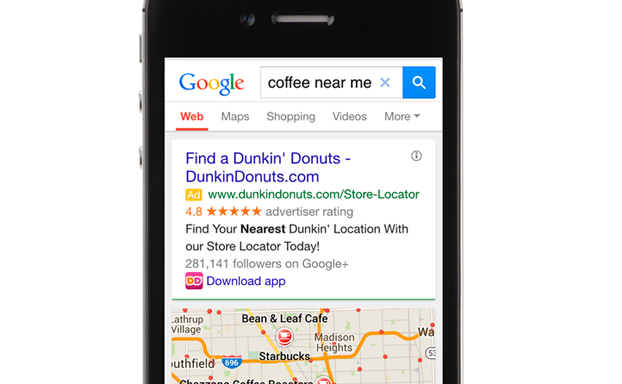
- 40% – 50% of mobile searches have local intent. In fact, accordingly to Google, “near me” searches have nearly doubled in the past year with 80% of the lift driven by mobile devices.
- Local searches lead to purchases: 65% of local searchers want to complete a purchase within a day, and 80% of consumer spending takes place within 15 miles of the home.
To stay ahead of competitors marketers must capitalize on these local mobile search trends. Consider the following strategies when developing your paid search campaigns:
1. Use Location Bid Adjustments
We’ve established local searches have high purchase intent and lead to sales. Increasing your bids for searches within your target local areas is a great way to take advantage of this dynamic. And since the funnel metrics are more attractive for many local searches, a higher bid can actually lead to a higher ROI. Google has a variety of location targeting capabilities including regions, cities, postal codes, or radius targeting.
2. Adjust Bids for Mobile Devices
Google and Bing also allow you to adjust your bids by device type. Consider testing a strategy that increases bids on smartphones and decreases (or leave flat) bids on desktops and tablets. This lets you over-index your campaigns on mobile-local searches and capture more of that valuable traffic.
3. Take Advantage of Call Extensions
One of the most common conversion paths on a mobile device is a phone call (think about pressing one mobile click-to-call link versus completing an entire contact form with your two thumbs). As a result, calls from mobile search are exploding. Call extensions enable businesses to include a click-to-call button in their ads. Unique, trackable phone numbers can be used here as well to attribute those conversions back to the campaigns that generate them, giving you data to refine campaigns and attribution for those conversions.
4. Make Sure Your Landing Pages Are Mobile Friendly
Sending traffic to a web page with a poor user experience will immediately undo all the benefits you’ve gained with strategies one through three. And with Google’s new “mobile friendly” updates, landing pages designed for mobile devices are more than just table stakes – you’re actually now being penalized in mobile search results if your site is not mobile ready. So make sure your destination pages are ready for mobile visitors and present your products and services in the best light possible.
How Do I Optimize the Calls Driven From Mobile Search?
So you’ve successfully implemented the above strategies and optimized your mobile paid search campaigns. With local mobile search driving over 75 billion calls to businesses by 2018 (BIA/Kelsey), it’s essential to control the conversations you’re driving from local mobile search campaigns – especially if you’re using call extensions. Call tracking software and call routing technology are helping marketers accomplished this.
- Control how you optimize your keyword strategy. Keyword-level call tracking technology gives you the power to know the specific keyword search, PPC ad, or landing page that drove someone to call you. With call attribution data you can then optimize your PPC campaigns and bid strategies for the keywords you know are driving calls, and cut spend on the ones that don’t.
- Control how calls from search are routed. Mobile searchers that click-to-call want answers. Getting those callers to the right person right away can be the difference in making a sale or not. Route calls based on contextual rules such as caller location, day/time, marketing source, and even the specific keyword someone searches.
Want to learn more about driving calls and revenue from local search? Download DialogTech’s free eBook the “Marketer’s Guide to Call Tracking for Local Search” to learn more.