Mobile scheduling, booking and payments are changing the way consumers interact with local businesses. Smartphone adoption and apps are finally bringing these services into mainstream usage.
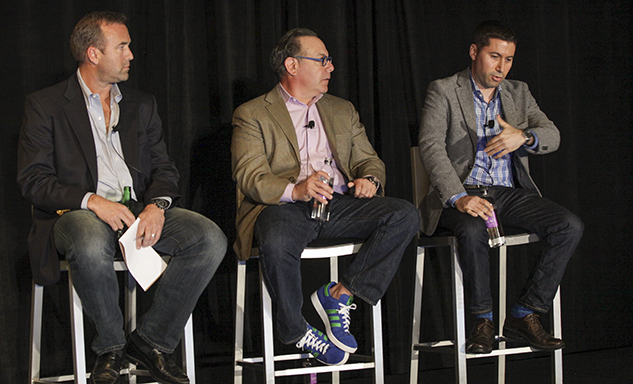
Charles Dyer of Pingup, David Galvan of MasterCard and Evan Ginsburg of Square explored how mobile-centric booking and payments are likely to affect consumers and impact digital marketing services in the next three to five years.
There are a variety benefits that mobile booking and payments impart on both merchants and consumers. Panel discussed services like Uber which have transformed the local transportation industry and is a good example of the potential for the technology. Uber’s ability to leverage quick conversions and task completions have set the standard for user experience.
The app also has tapped a mass of inventory that immediately became scalable. Uber’s technology created inventory in a volume that could never have been predicted just a year or two ago.
Nevertheless, there remain significant challenges that leave some wondering whether Uber’s model can be duplicated in other business categories. While most consumers are not particularly picky about who their driver is, they probably feel much different about who styles their hair.
From both the merchant side and consumer side the greatest challenge for providers is onboarding. From the merchant side, it can be very cumbersome to transition to the new technology. For example manually importing all client information that is currently in an address book, spreadsheet or hardcopy appointment book into a new platform can be daunting.
From the consumer standpoint, changing habits on how they’ve contacted merchants or made reservations can be difficult. Also, with some consumers using technology and others not, it further fragments the merchant’s audience.
But once merchants experience better conversions and ROI, not just financially but in time saved, the panelists all agreed that adoption will come. Customers will buy more, merchants’ schedules will fill up, inventory will increase and patrons will be happier and have a better shopping experience.